Can You Install Solar Panels On A Metal Roof?
Quick Summary
Solar panels can be installed on a metal roof when the roof profile, structure, condition, and mounting system are planned correctly. Standing-seam metal roofs are often the easiest option for solar, while ribbed-metal, corrugated-metal, and exposed-fastener roofs need the right brackets, flashing, sealants, and fasteners. For Miami properties, wind, rain, humidity, salt air, and permitting requirements make proper planning even more important before installation begins.
Solar adoption has grown across residential and commercial properties as owners look for lower energy costs and stronger long-term building performance. At the same time, metal roofing has become a preferred choice in areas where heat, rain, wind, and coastal exposure place heavy pressure on roof systems. This overlap raises a practical question for property owners planning upgrades: can you put solar panels on a metal roof? The answer depends on how the roof was designed, what profile it uses, and how the solar mounting system connects to the roof.
Yes, Metal Roofs Can Support Solar Panels
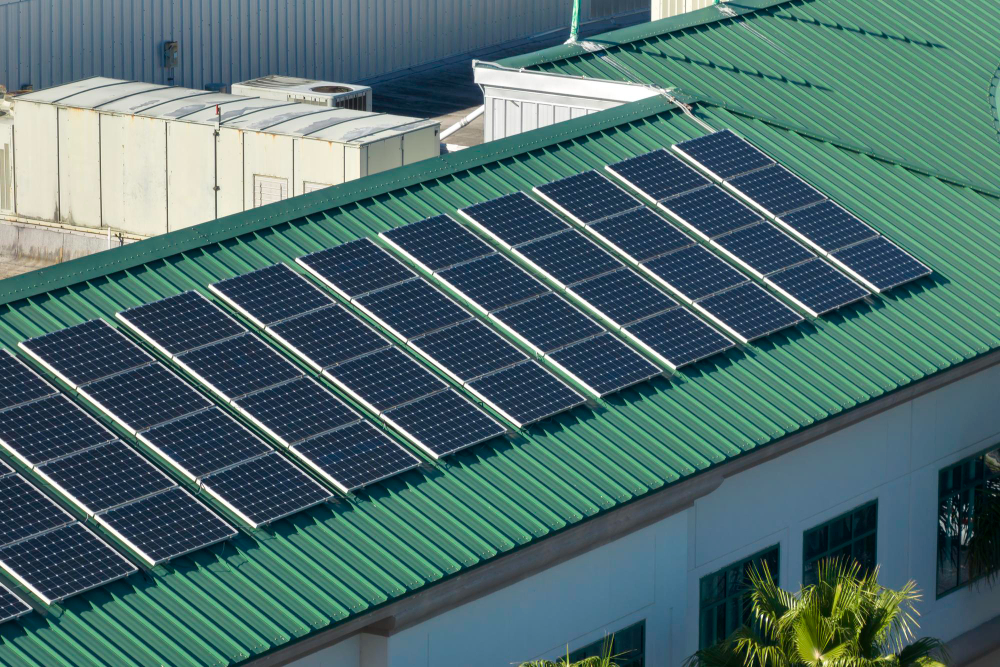
A successful solar project starts with the roof beneath the array. Metal panels can carry solar equipment when the structure, panel profile, and attachment method are matched correctly for the building. The installer should identify how the roof connects to the framing, then choose hardware designed for that profile. Raised-seam systems allow solar racks to clamp onto the seams, which can reduce penetrations and create a cleaner layout. Ribbed-metal, corrugated-metal, and exposed-fastener roofs can also work with specialized brackets, proper sealing, and fasteners rated for the application. A roof with strong remaining service life gives the solar investment better value. With the right review, solar panels can become a dependable upgrade for residential or commercial properties.
Why Metal Roofing Works Well with Solar Energy Systems
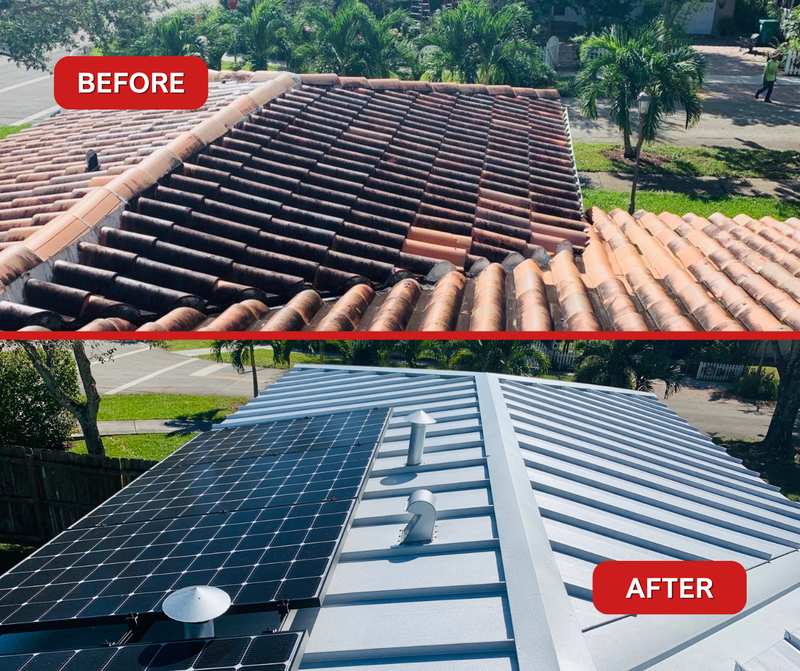
Long-term roof performance plays a major role in any solar decision. Solar panels are built to remain in service for decades, so they pair best with a roofing system that can support that same time frame. Metal roofing offers strength, durability, and strong resistance to heat, rain, and demanding outdoor exposure. It can also reflect solar heat, while the panels above produce usable electricity from sunlight. Some profiles allow solar hardware to attach with fewer penetrations than many other roof surfaces, which can make the installation cleaner when handled by qualified professionals. This compatibility helps property owners plan roofing and solar as one connected improvement. For homes, commercial buildings, and coastal properties, metal roofing creates a practical foundation for future energy upgrades and long-term property planning with greater confidence.
Among the available metal roof profiles, standing-seam designs usually give solar installers the cleanest path forward. Systems such as Metal Master Shop’s 1.5" Mechanical Seam (Standing Seam) feature raised vertical seams that can accept approved clamps, allowing the solar racking system to grip the seam instead of requiring repeated drilling through the roof surface. This approach can help protect the metal panels while providing a stable base for the solar array. Owners planning a new roof with future solar installation in mind often give this profile serious consideration.
Other profiles can also support solar when the mounting hardware is selected carefully. Corrugated, ribbed, trapezoidal, and exposed-fastener panels, including PBR panels, may require mounting feet, brackets, flashing, sealant, and fasteners designed for the specific panel configuration. Before installation begins on any residential or commercial project, the system should account for water flow, roof slope, wind load, mounting requirements, and the exact metal roof profile.
What Should You Check Before Installing Solar Panels?
Preparation should begin with a detailed roof inspection. The roof should be reviewed for age, corrosion, loose fasteners, damaged seams, worn sealants, weak decking, slope, orientation, and available space. Shading also deserves attention, since trees, nearby buildings, vents, and roof features can lower solar output during key daylight hours. Local permitting, electrical plans, wind-uplift ratings, and attachment details should be checked before the project moves forward. In regions with strict building standards, the installer may need documentation for roof penetrations, flashing methods, and approved mounting hardware. This review protects the roof, the system, and the long-term property value. It also helps confirm whether repairs or upgrades should happen before solar crews arrive on-site.
Can Solar Panels Cause Leaks or Roof Damage?
Roof damage usually comes from poor attachment choices, weak sealing, mismatched hardware, or installers who do not understand the metal panel profile. A well-planned solar installation should protect the roof surface, drainage path, seams, ribs, and fastening points. Raised-seam systems can reduce leak risk through clamp-based mounting. Other profiles need sealed fasteners, flashing, and hardware matched to the panel shape. The crew should avoid crushing ribs, blocking water flow, or placing stress on weak areas. Roof warranties should also be reviewed before work begins. With suitable hardware and skilled workmanship, solar panels can sit securely without creating avoidable roof problems.
What Miami Property Owners Should Know About Solar and Metal Roofs
In South Florida, roof and solar planning must account for intense sun, heavy rain, humidity, salt air, and high-wind exposure. These conditions place added pressure on panels, fasteners, coatings, sealants, and attachment points. Solar mounting systems should be selected for wind resistance, water protection, and corrosion resistance. Permitting may require roof type, mounting details, electrical plans, and flashing information. Coastal properties may also need more frequent visual checks over time. For Miami homeowners and contractors, the strongest result comes from treating the metal roof and solar array as one coordinated building upgrade, rather than two separate projects.
Build Your Solar-Ready Roof with Confidence
A metal roof can be a smart surface for solar when the system is planned with the right profile, sound materials, and proper attachment method. Good planning protects roof performance, supports energy goals, and gives your property a stronger path for long-term value in a demanding climate.
Metal Master Shop works with roofing contractors to review available metal roofing panels, trim, accessories, and custom fabrication options for projects considering future solar installations. Roofing and solar professionals should coordinate the appropriate roofing system and mounting requirements.
Planning a metal roof with solar in mind? Have your roofing contractor contact our team to discuss available materials and request a quote. If you're a homeowner without a roofing contractor, we can help connect you with a roofing professional.
FAQs
Can solar panels be installed on any metal roof?
Solar panels can be installed on most metal roofs, but the roof profile and condition decide the best method. Standing-seam roofs often allow clamp-based mounting, while ribbed or corrugated roofs usually need brackets and sealed fasteners. A roof inspection should confirm structure, slope, age, and any needed repairs before installation starts.
Will solar panels cause leaks on a metal roof?
Leaks are usually linked to poor installation rather than the solar panels themselves. Problems can happen when penetrations are not sealed well, hardware does not match the panel profile, or attachments interfere with drainage. The right mounting system, proper flashing, qualified workmanship, and a warranty review can help protect the roof before panels are installed.
What is the best metal roof type for solar panels?
Standing-seam metal roofing is often the best choice for solar panels since clamps can attach to the raised-seams without repeated drilling through the roof surface. This can create a cleaner installation and reduce leak concerns. Other metal roof types can still work when the mounting hardware is selected for the exact panel profile.