Hidden Fastener Metal Roofing Explained: A Sleek And Durable Choice
Quick Summary
A hidden fastener metal roof offers a clean, modern appearance by concealing screws, clips, or fastening points beneath the panel connections. This design helps protect key attachment areas from sun, rain, wind, and moisture while supporting better performance. Compared with exposed fastener systems, it often provides stronger curb appeal, fewer visible interruptions, and a more premium finish. Choosing the right profile, such as mechanical seam, snap lock, or nail strip, depends on your roof slope, climate, budget, and project goals.
A hidden fastener metal roof gives your property a clean, modern look while supporting strong performance in demanding weather. Instead of visible screws across the panel surface, this roofing style conceals the attachment points beneath seams, clips, or panel connections. That design helps protect the fasteners from direct exposure to sun, rain, wind, and moisture. If you want a roof that looks refined and performs with confidence, hidden fastener metal roofing is one of the most practical choices to consider for residential, commercial, and coastal projects today.
What Is Hidden Fastener Metal Roofing?
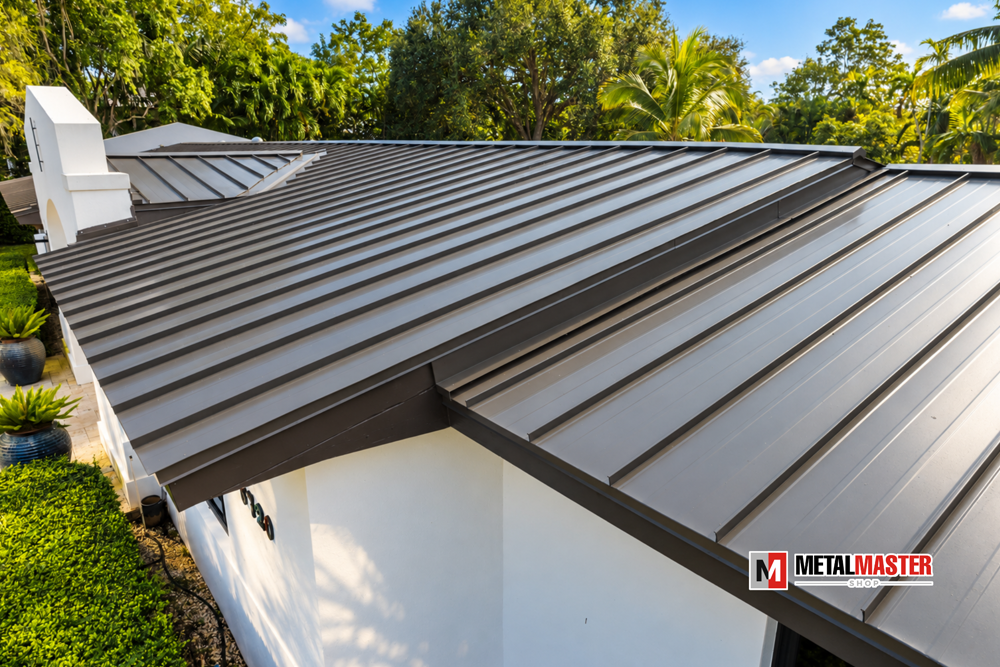
When you look at the roof surface, the clean appearance comes from how the panels are attached. A concealed design places screws, clips, or fastening points beneath the panel connection instead of leaving them visible on top. In many projects, this approach is associated with standing seam metal roofing, where raised seams run vertically along the roof and panels connect through seams, clips, or covered fastening flanges. This helps create a smooth architectural finish while protecting attachment points from direct contact with weather, UV exposure, and moisture. For homeowners and contractors, hidden fastener metal roofing offers a refined look with practical performance value for residential, commercial, and coastal properties that need clean lines and reliable roof coverage in changing conditions.
Hidden Fastener Vs. Exposed Fastener Roofing
A roof with visible screws can perform well on the right project, although it creates a different maintenance picture. In an exposed fastener system, screws pass through the panel face and rely on washers to seal each attachment point. Sun, rain, wind, and panel movement can gradually affect those exposed parts, so periodic inspection becomes an important part of ownership. A concealed system moves those attachment points out of direct view, which creates a cleaner surface and lowers the amount of hardware exposed to weather. The tradeoff is usually higher upfront cost and more technical installation, yet hidden fastener roofing often appeals to owners who want a premium look, stronger long-term value, fewer visible interruptions, and curb appeal from the street, nearby properties, and common outdoor living areas, without making the roof surface appear visually busy or overly mechanical.
Why Hidden Fastener Roofing Is a Durable Choice
Long-term performance depends on how well a roof manages exposure, movement, and water flow. With concealed attachment points, the fastening hardware receives more protection from harsh sunlight, heavy rain, high wind, salt air, and moisture over years of heat cycles and weather changes. This can reduce common concerns tied to exposed screws, such as worn washers, loosened fasteners, and repeated service around visible penetrations on both residential and commercial roofs. The raised seam design also supports clean water movement across the panels, which is helpful in areas that face sudden storms or intense seasonal rain. Metal panels expand and contract as temperatures shift, so a properly selected concealed fastener system can support natural panel movement while keeping the roof surface stable, sharp, and dependable through demanding conditions when the profile is matched to roof slope, climate, and project conditions.
Is Hidden Fastener Metal Roofing Right for Your Project?
Before choosing a panel profile, look at how the roof will be used, seen, and exposed to weather. A home with a highly visible roofline may benefit from a sleeker standing seam appearance, while a commercial property may need a profile selected around performance, approval needs, and installation speed. Mechanical seam panels, snap lock panels, and nail strip panels each bring different strengths to a project. Roof slope, wind exposure, material type, gauge, trim details, and budget should all guide the decision. If the property sits in a hot, rainy, or coastal area, the system should be chosen with both daily weather and storm season in mind, helping the finished roof match your design goals while meeting practical performance expectations with fewer surprises during overall planning, ordering, and installation stages.
Ready For a Cleaner, Stronger Metal Roof?
A hidden fastener system can give your property the clean appearance, durable coverage, and long-term performance discussed throughout this guide. From mechanical seam panels to snap lock and nail strip options, the right profile should match your roof slope, design goals, climate exposure, and project budget.
At Metal Master Shop, we work with roofing contractors to review available hidden-fastener profiles, including our Master Series™ 1.5 Mechanical Seam, 1.0 Nail Strip, and 1.75 Snap Panel Lock, along with related trim, accessories, and custom fabrication options based on project requirements and availability.
Roofing contractors can contact our team with their project specifications to request a quote. Homeowners are also welcome to reach out with questions, but their roofing contractor should coordinate project estimates and orders. If they don't have a contractor yet, we can help connect them with a roofing professional.
FAQs
What is a hidden fastener metal roof?
A hidden fastener metal roof uses concealed screws, clips, or fastening points instead of visible screws across the panel surface. This creates a cleaner appearance and helps protect the attachment areas from direct exposure to sun, rain, wind, and moisture. It is often connected with standing seam style roofing systems.
Is hidden fastener metal roofing better than exposed fastener roofing?
It depends on your project goals, budget, and roof design. Hidden fastener roofing usually offers a cleaner look, stronger curb appeal, and less direct weather exposure around fastening points. Exposed fastener roofing can still work well for certain projects, but it often needs more attention to visible screws and washers over time.
What type of hidden fastener panel should I choose?
The right panel depends on your roof slope, building type, climate, budget, and desired appearance. Mechanical seam, snap lock, and nail strip panels each offer different strengths. A project in a hot, rainy, or coastal area may need a profile selected around weather exposure, installation needs, and local approval requirements.