Standing Seam Vs. Metal Shingles: Which Roofing Choice Wins Out?
Quick SummaryStanding seam roofs offer a sleek, modern look with fewer seams and top weather protection that can last 50 years or more. Metal shingles give you the look of slate, tile, or shake with the strength of metal, often at a lower price. Your choice depends on your home’s style, your budget, and how much weather your roof needs to handle. Metal Master Shop supplies panels and accessories for both systems and can point you toward the right fit. |
A metal roof is a smart investment, but you still have one big decision left. Many homeowners get stuck trying to settle the metal shingles vs standing seam debate. Both options beat traditional shingles by a wide margin. The right pick depends on the look you want, the weather where you live, and what you are comfortable spending. Our team at Metal Master Shop helps customers work through this choice all the time. We stock a full range of metal roofing panels and accessories so you can see your options up close.
What Is Standing Seam Metal Roofing?
A standing seam roof is made up of vertical metal panels that stretch continuously from the peak of the roof all the way to the edge. Raised seams connect the panels where they meet, and all the fasteners stay hidden underneath. That concealed-fastener design is a big reason this system performs so well over time. No screws poke through the surface where water, sun, and wind can wear them down.
The most common style is a snap-lock system, where panels simply lock together. A mechanical-lock version uses a tool to crimp the seams tight for an even stronger bond in high-wind areas. Both give you clean, straight lines that suit modern and contemporary homes. The panels are typically made from steel or aluminum coated with a PVDF paint finish, and they are thicker than many other metal roofing styles. This adds dent resistance and helps the roof stay flat.
What Are Metal Shingles?
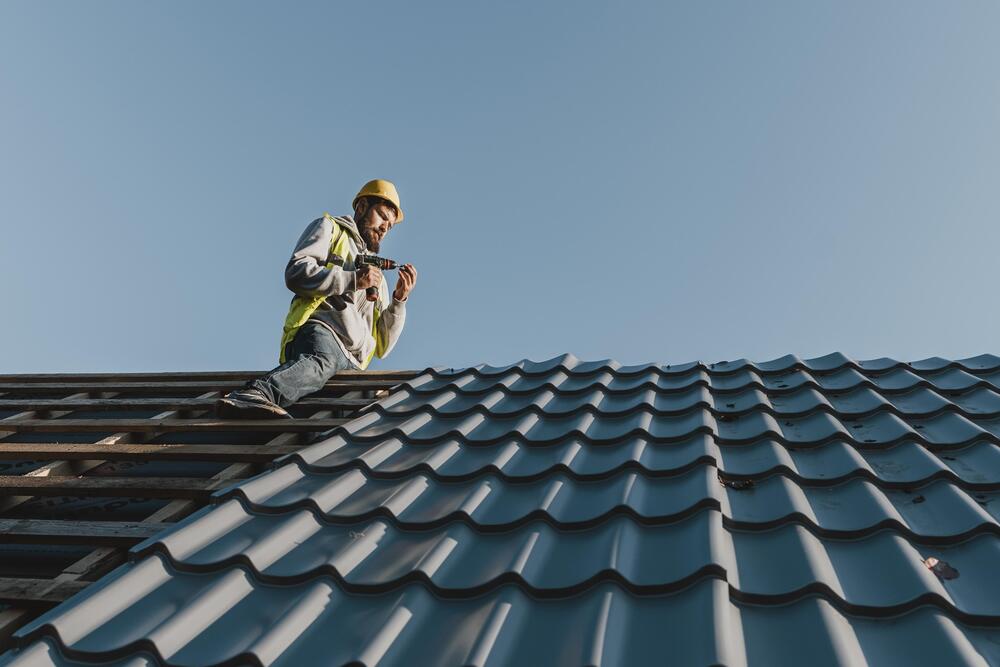
Metal shingles are individual panels stamped to look like traditional roofing materials. From the curb, they can pass for slate, cedar shake, barrel tile, or standard asphalt shingles. Each shingle interlocks with the ones around it on all four sides, and installers lay them in staggered rows. Most systems use hidden fasteners, though some have small exposed nail heads at the overlap points.
The stamped texture gives the panels extra rigidity. This style can be a smart pick for homes in neighborhoods with strict HOA rules because the roof blends right in. The metal shingles vs standing seam choice often starts with this question: do you want your roof to stand out or blend in?
Key Differences Between the Two Systems
Appearance and Curb Appeal
Standing seam gives you a sleek, clean look with vertical lines and a modern feel. Metal shingles give you texture and shadow lines that mimic classic roofing materials. If your home has a contemporary design, standing seam is hard to beat. If your house is a colonial, craftsman, or Mediterranean style, metal shingles may feel more at home. Both systems come in a wide range of colors. We stock many metal roof colors in PVDF finishes that work with either panel type.
Weather Performance and Strength
Both systems handle wind, rain, and hail far better than asphalt. Standing seam panels have fewer seams overall, which means fewer places where water can sneak in. The concealed fasteners stay protected from the elements, so there is less to check and tighten over the years. Metal shingles have more seams by design, since each shingle interlocks with its neighbors. A good install makes all those seams watertight.
For low-slope roofs, standing seam is the clear winner. Most metal shingles need a roof pitch of at least 3/12 to drain well, while standing seam can handle gentler slopes as low as 1/12 with the right panel and sealant.
Cost and Installation
Standing seam panels cost more upfront, typically $10 to $16 per square foot installed. The panels are long and can be tricky to handle, so you need a crew with the right tools and training. Metal shingles usually run 15 to 25 percent less on total project cost. The smaller pieces are easier to ship, lift, and fit around dormers and valleys. That can trim labor time and cost. The metal shingles vs standing seam price gap is real, but it shrinks when you factor in how long each roof lasts.
Oil Canning and Panel Flatness
Oil canning is the slight waviness that sometimes shows up on flat metal surfaces. It does not affect how the roof works, but some homeowners find it distracting. Standing seam panels are thicker, so they resist oil canning better. The raised seams also break up the visual plane. Metal shingles have a stamped texture that hides oil canning naturally, so this is rarely a concern.
Warranty and Testing
Standing seam systems often come with stronger engineering behind them. Many manufacturers test for wind uplift, water penetration, and impact resistance under strict industry standards, and some offer weathertight warranties that cover leaks for decades. Metal shingles generally come with solid paint and substrate warranties, but fewer carry the same level of water-tightness coverage. In hurricane-prone regions, this testing gap can matter.
Which One Fits Your Home?
Here is a simple way to think through the choice:
- Pick standing seam if you want the longest lifespan, the best weather protection, and a clean modern look. It is worth the higher cost if you plan to stay in your home long-term or live in an area with heavy storms.
- Pick metal shingles if you want a traditional look, have HOA rules to meet, or need a lower upfront price. You still get all the big metal-roof benefits in a style that blends with your neighborhood.
Both systems reflect heat, resist fire, and can be recycled at the end of their long life. The right answer depends on your house, your taste, and your budget.
How We Can Help
Metal Master Shop works with South Florida homeowners and contractors to supply top-quality metal roofing materials. If you choose standing seam panels or stamped metal shingles, we have the panels, trim, and metal roofing accessories to complete your project. We also offer custom gutter fabrication so your new roof drains perfectly from day one. Stop by to look at samples and get straightforward advice from people who know metal roofing inside and out.
FAQs
Which costs more, standing seam or metal shingles?
Standing seam costs more upfront. Metal shingles tend to run 15 to 25 percent less on total project cost. Over the full life of the roof, the gap narrows because both last far longer than asphalt.
Can metal shingles be used on a low-slope roof?
Most metal shingles need a pitch of at least 3/12. Standing seam can handle slopes as low as 1/12 with the right panel and sealant. If your roof is fairly flat, standing seam is the safer pick.
Do both styles hold up in hurricanes?
Yes, both can meet high-wind codes. Standing seam panels often undergo more rigorous uplift testing, which can be an advantage in hurricane zones. Always check that the system you pick has been tested for your local wind requirements.
Will I need to replace fasteners or seals during the roof's life?
Standing seam fasteners stay hidden and protected, so they rarely need attention. Metal shingle systems may need a seal check on flashings and penetrations every so often, but the panels themselves should stay trouble-free for decades.