Top Reasons Why Metal Roofs May Perform Better In A Hurricane
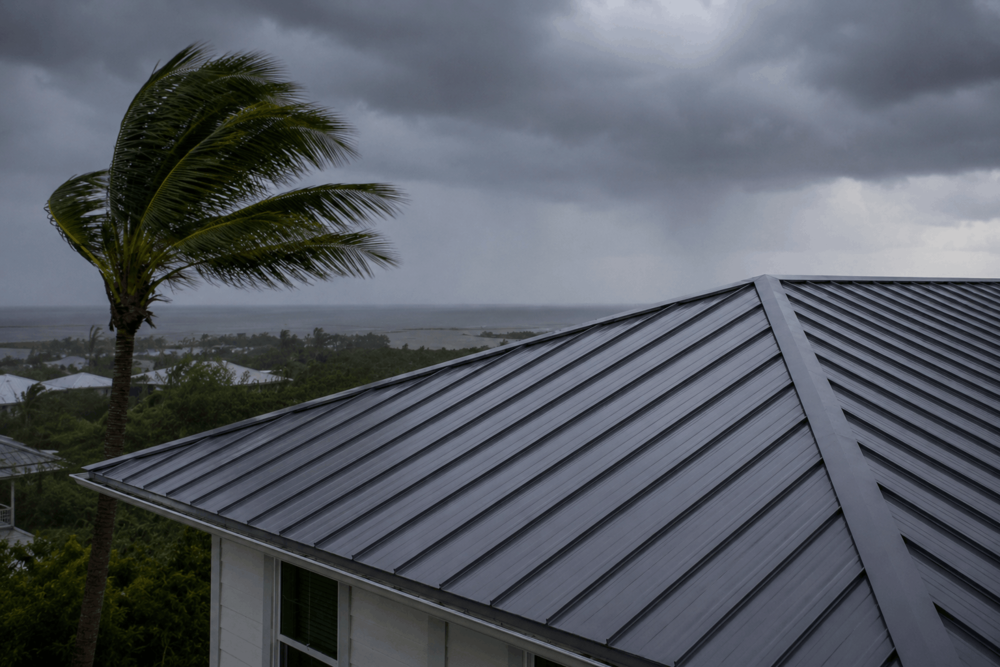
Quick SummaryMetal roofs handle hurricane conditions better than many traditional roofing materials because interlocking panels, concealed fasteners, and high wind ratings help reduce storm damage and water intrusion. Proper installation and tested roofing systems can also improve long-term durability, lower repair risks, and support possible insurance savings in storm-prone areas. |
When a hurricane barrels toward the coast, your roof is your home's first line of defense. Shingles can peel away. Tiles can crack. But a metal roof handles high winds and flying debris in a way that other materials simply cannot match.
Metal Master Shop works with South Florida homeowners who want a roof that holds its ground when it matters most. No roof is truly hurricane-proof, but a properly engineered metal system gets as close as any roofing material can. Here are the top reasons why.
Wind Uplift Resistance That Holds Fast
The biggest threat during a hurricane is wind uplift, the force that pulls roofing materials up and away from the deck. Wind flowing over the home creates low pressure above the roof while internal pressure pushes up from below. That push-pull effect can tear shingles right off.
Metal roofs resist this force through sheer strength. Standard asphalt shingles start failing around 60 mph. Most metal roofing systems carry wind ratings of 140 mph or higher, equal to a Category 4 hurricane. Many panels, when properly engineered, can handle winds above 150 mph, with some standing seam systems tested past 200 mph in controlled conditions.
Interlocking Panels Leave No Weak Points
A roof is only as strong as its weakest seam. This is where a metal roof hurricane advantage really stands apart. Metal panels overlap and lock together on all four sides, leaving very little room for wind to get underneath. It works like a solid shield rather than a bunch of small pieces that each need to hold on by themselves.
Concealed fasteners make the system even stronger. On many metal roofs, the screws and clips stay hidden beneath the panels. They never face direct exposure to wind, rain, or sun, so they do not rust out or loosen over time the way exposed nails on shingles can. This hidden clip design also gives panels room to expand and contract without pulling loose.
Installation quality matters. Clip spacing, fastener size, and proper placement all make a real difference. That is why we guide customers toward the right panels, trim, and accessories. Browse our metal roofing accessories to see the small parts that boost high-wind performance.
Impact Resistance That Keeps Water Out
Hurricanes turn branches, roof tiles, and all sorts of debris into flying projectiles. A roof that cracks on impact can let water pour in long after the storm passes. Metal panels have an inherent toughness that helps them absorb these hits. Many carry a Class 4 Impact Resistance rating, the highest level tested. To earn that rating, a 2-inch steel ball is dropped onto the panel from a height of 20 feet. The panel must not crack, split, or tear.
Even in extreme conditions, damage to a metal roof usually stops at dents. A dent might not look great, but it will not cause a leak or structural failure. Some panels come with a textured coating that helps hide minor dents, so the roof keeps looking good even after a rough season.
Built to Miami-Dade Standards
Miami-Dade County requires roofing products to pass some of the toughest testing in the country. Metal systems that earn a Notice of Acceptance have been tested for cyclic wind pressure and debris impact. Many are rated for winds exceeding 150 mph. FEMA has noted that properly installed metal roofing systems can withstand winds over 150 mph and offer superior leak resistance and puncture protection.
This level of engineering is essential because hurricanes do not just hit once. A roof that survives one storm needs to be ready for the next. Metal does not degrade after a close call the way some materials do. Panels stay locked in place year after year.
Insurance Savings That Add Up
Insurers pay attention to what is on top of your house. In Florida, where premiums have climbed sharply, a metal roof hurricane upgrade can unlock real savings. The Metal Roofing Alliance reports that metal roofs can lower homeowners insurance premiums by up to 35 percent. Wind mitigation credits, which reward features that reduce storm vulnerability, are a big reason why.
These savings come on top of the energy benefits metal roofs already offer. A lighter color reflects more heat, which trims cooling bills during the long Florida summer. We carry a wide range of metal roof colors so you can pick a shade that works for your home and your budget.
How We Help You Get the Right Roof
Metal Master Shop has been supplying South Florida with storm-ready roofing for years. We know the local codes, the wind zones, and the products that pass inspection without headaches. Our team at Metal Master Shop helps you sort through the options so you get a roof that matches your home and your peace-of-mind needs.
If you are upgrading to a metal roof hurricane system, we can also help you finish the job right with custom gutter fabrication. Gutters sized and pitched correctly move heavy storm water away from your foundation, protecting the whole structure.
Picking the right metal roof is about more than looks. It is about knowing your home can take a hit and stay dry. Get in touch with our team to talk through your options and see what a difference the right roof can make.
FAQs
Is any roof truly hurricane-proof?
No roof can be called completely hurricane-proof. Even the strongest metal system can fail if debris punches through or if installation was done poorly. That said, a properly engineered and installed metal roof handles hurricane conditions better than any other common roofing material.
What wind speed can a metal roof withstand?
Most metal roofing systems are rated for wind gusts of 140 mph or higher. Some standing seam panels have been tested and shown to handle speeds above 150 mph, and certain engineered systems can withstand over 200 mph in controlled testing.
Will a metal roof lower my insurance in Florida?
In many cases, yes. A study by the Metal Roofing Alliance found that metal roofs can cut homeowners’ insurance premiums by as much as 35 percent. Wind mitigation credits are available from most Florida insurers for roofs that meet certain wind-resistance standards.
Does a metal roof need special maintenance after a hurricane?
Usually, a quick visual check is enough. Look for any loose trim, dents from debris, or areas where sealant may have pulled away. Most of the time, a metal roof that passed the storm will need little to no attention before the next one.