10 Best Metal Roof Coating Options For Your Property
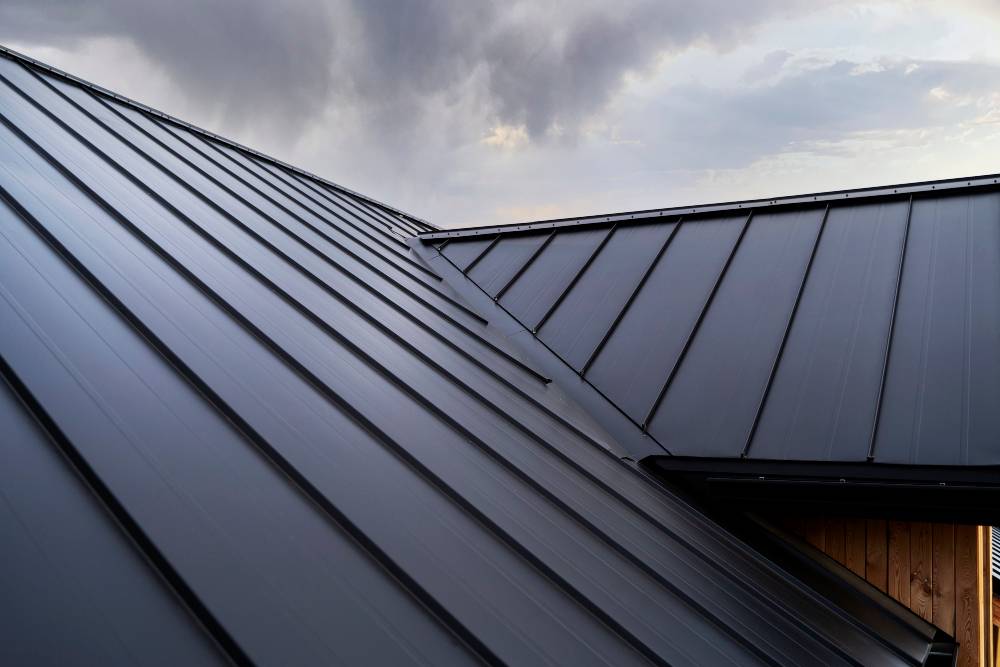
A metal roof already has a head start. It sheds water fast, laughs at insects, and can last for decades. Still, sun, standing water, salty air, and daily temperature swings gradually rough up even the toughest panels. That is where roof coatings come in.
A quality coating can refresh aging metal, seal tiny gaps, tame rust spread, and cut roof surface temperatures so your building feels calmer inside. The trick is picking the right chemistry for your climate, roof slope, drainage patterns, and the kind of “abuse” your roof takes every week.
Below are the top metal roof coating options to consider, plus what each one does best.
Silicone Roof Coatings
Silicone is the storm-chaser of the coating world. It handles ponding water better than most alternatives, making it a strong match for low-slope metal roofs that collect water around drains, HVAC curbs, and valleys.
It also holds up well under harsh UV exposure, so it stays stable in bright sun zones and does not chalk away as quickly as some other products. Silicone commonly comes in reflective white, which helps reduce heat buildup and can improve indoor comfort.
The tradeoff is traction and recoat planning. Silicone can be slippery when wet, and future recoats often require compatible materials and surface prep so adhesion stays strong.
Acrylic Elastomeric Coatings
Acrylic coatings are popular for good reason. They tend to be cost-friendly, easy to apply, and very reflective, which makes them attractive for warehouses, retail buildings, and residential metal roofs in hot climates.
Acrylics perform best on roofs with positive drainage. If your roof holds water after rain, acrylic may soften or wear faster in those areas. But on a well-draining roof, acrylic can deliver impressive reflectivity and a clean, bright finish that helps the roof look “new” again.
If you want a coating with straightforward application and a strong balance of price and performance, acrylic is often the first place people look.
Polyurethane Coatings (Urethane)
Urethane coatings are built for impact, foot traffic, and abrasion. Think of roofs that double as a service platform for technicians and tools, or metal roofs exposed to hail-prone weather. In those cases, urethane can take hits better than many other coating types.
There are aromatic and aliphatic urethanes. Aromatic urethane typically serves as a base coat because it can discolor under sunlight, while aliphatic urethane often works as the UV-stable top coat that keeps color and gloss longer.
Urethane can cost more, and it often calls for professional application because mixing, film thickness, and cure windows matter. When you need toughness, it earns its reputation.
SBS and SEBS Modified Coatings
SBS and SEBS are rubber-modified coating families valued for flexibility. Metal expands and contracts daily, and those movement cycles can stress seams, fasteners, and transitions. Rubber-modified coatings bend with that motion, helping reduce cracking around common problem spots.
These coatings show up in solvent-based and water-based versions depending on product line. Some options also handle cooler temperatures better during application, which is helpful if your project window sits outside peak summer months.
If your roof has a lot of detail work, or if you see recurring seam movement issues, SBS or SEBS can be a smart conversation to have with your installer.
Asphalt Emulsions and Aluminum Asphalt Coatings
Asphaltic coatings have been around a long time, and they still have a place. Asphalt emulsion coatings can add a water-resistant layer and are sometimes used in maintenance programs, especially on older commercial roofs.
Aluminum asphalt coatings add reflective aluminum pigments, giving that classic silver finish you may have seen on industrial buildings. That reflective surface helps reduce heat gain compared to darker asphalt.
These coatings are not the trendiest, but they are proven in many settings. They can be a fit for budget-focused projects, older roof assemblies, or facilities that prefer familiar, time-tested systems.
Epoxy Primers and Rust-inhibitive Primer Systems
Primer might not sound exciting, but on metal roofs it can be the make-or-break layer. If you have oxidation, old coatings, or areas where bare metal is exposed, a rust-inhibitive primer or epoxy primer can lock down the surface and give your top coat something stable to bite into.
Epoxy products are commonly used as primers because they bond well and resist corrosion. In coastal zones, near chemical exhaust, or on roofs with rust history, a primer system often pays for itself by improving adhesion and slowing corrosion creep.
Think of primer as the calm, disciplined base layer that helps the more glamorous top coat perform like it should.
Fluoropolymer Coatings (PVDF-style Finishes)
If you have ever admired a metal roof that looks sharp years later, you may have been looking at a fluoropolymer finish. PVDF-type coatings are known for color retention and resistance to fading and chalking.
These finishes are often factory-applied on metal panels rather than rolled on as a field coating, but they still belong in the conversation because re-roofing with factory-finished panels is sometimes the better long-term play compared to coating an extremely worn roof.
If appearance matters as much as performance, and you want long-lasting color stability, fluoropolymer finishes deserve attention.
Butyl and High-solids Seam Sealers Used with Coatings
Some of the most stubborn metal roof leaks do not come from the field of the panel. They come from laps, penetrations, closures, and fastener lines. That is why many successful restoration systems combine a roof coating with seam reinforcement.
Butyl sealants and high-solids mastics can be used at seams, around skylights, at ridge caps, and at curbs before the coating goes down. Reinforcing fabric embedded in mastic is also common for added tensile strength at joints.
This option is less about picking a shiny top coat and more about treating the roof like a system. If your leak map points to seams, this step can transform results.
Coating Systems with Granules for Slip Resistance
For roofs that see regular foot traffic, slip-resistant top coats or granulated coating finishes can help. These systems incorporate granules or textured finishes that improve traction, especially in rainy regions.
They are often used on walk paths, around HVAC access points, and near roof hatches. You do not need to coat the entire roof with granules in many cases, targeted application can deliver safer access without extra cost across the full field.
If your team is on the roof frequently, this can be a practical upgrade that pays back in fewer “near misses.”
Cool Roof Coatings Designed for Maximum Reflectivity
Reflective coatings cut down solar heat gain, which can reduce how hard your HVAC works during hot stretches. White silicone and acrylic products often lead the pack here, but many manufacturers also offer reflective urethanes and hybrid systems.
When you are comparing reflective products, look beyond just marketing. Review solar reflectance and thermal emittance ratings, plus warranty terms tied to film thickness and prep requirements. In hot and humid regions, reflectivity plus algae resistance can also matter for long-term appearance.
If interior comfort and summer energy use are big concerns, a cool roof coating system can make the roof feel like it is finally on your side.
One Source for the Full Metal Roofing System in Miami, FL
At Metal Master Shop, we supply complete metal roofing systems and the detail parts in Miami, FL that make projects go smoothly, including accessories, trim, vents, tools, coils, flat sheets, underlayment, and fasteners. Count on fast, dependable support and guidance to help you stay on schedule and on budget, plus customized panel and wall panel options when your project calls for a tailored finish.
With 100% U.S.-made, verifiably sourced steel, Miami-Dade and Florida product approvals, and certifications with UL and Intertek, our products are built for quality. Contact us today and get a quote.