Choosing The Right Metal Roof Underlayment For Your Home
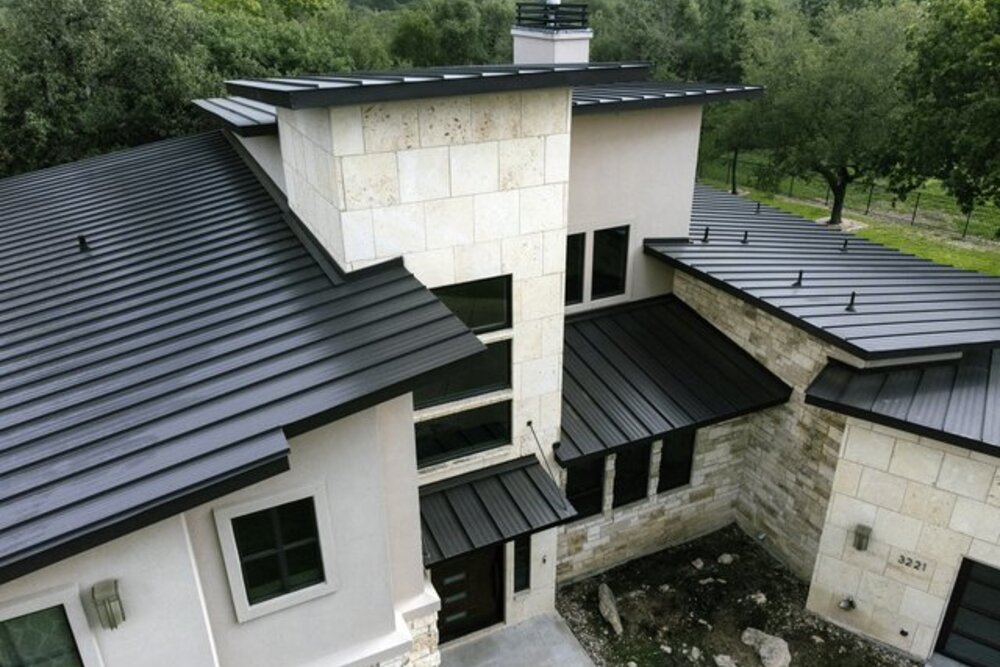
Every metal roof depends on a strong foundation. Beneath its panels lies a vital layer called the underlayment, which guards your home against moisture, heat, and structural damage. Selecting the right metal roof underlayment impacts the lifespan, performance, and comfort of any roofing system.
In Miami’s humid and storm-prone climate, this choice becomes even more important, as the right underlayment shields your structure from leaks, corrosion, and trapped heat.
Understanding the Role of Metal Roof Underlayment
Underlayment acts as a barrier between the roof decking and metal panels. It helps protect against wind-driven rain, condensation, and thermal stress. Without it, moisture can penetrate seams, leading to rot, mold growth, or premature panel damage.
For homes in coastal areas like South Florida, underlayment also reduces corrosion risk. The salty air and frequent storms demand materials that resist water absorption and withstand intense heat. A well-chosen underlayment enhances the performance of metal roofs while improving energy efficiency inside the home.
Common Types of Metal Roof Underlayment
There are several underlayment materials available, each offering different benefits. Choosing the best one depends on the roof design, slope, and exposure to local weather.
- Felt Underlayment
Felt underlayment, also called asphalt-saturated felt, is one of the oldest and most familiar options. It creates a temporary moisture barrier and serves well on steep-slope roofs. However, it tends to wrinkle, tear, or absorb moisture over time. In humid climates like Miami, it may not last as long as modern alternatives, especially under metal roofing systems exposed to constant sun and rain.
- Synthetic Underlayment
Synthetic materials have become the industry standard for metal roofing. Made from woven polymers such as polypropylene or polyethylene, synthetic sheets are lightweight, durable, and tear-resistant. They resist UV exposure, handle high temperatures, and remain stable under fasteners and panels. Contractors prefer this option because it stays flat during installation and offers superior traction for safety.
A high-quality synthetic underlayment is ideal for long-term durability. It performs well under standing seam roofs and corrugated panels, offering consistent protection even during heavy rainfall. This makes it one of the best choices for Miami’s tropical climate.
- Self-Adhering Membrane
A self-adhering membrane, often referred to as “peel and stick,” forms a watertight seal by bonding directly to the decking. It contains rubberized asphalt or butyl compounds that prevent leaks in vulnerable areas such as valleys, eaves, and penetrations.
This option is especially useful for low-slope roofs and homes exposed to wind-driven rain. However, installation requires precision to prevent air bubbles or wrinkles that could trap moisture underneath.
Factors to Consider Before Choosing an Underlayment
Selecting the best underlayment involves more than material preference. It requires an understanding of how the roof will perform under specific conditions.
- Climate and Moisture Exposure
In hot, humid regions like Miami, heat and humidity accelerate wear on roofing systems. An underlayment designed for high temperatures and moisture resistance is vital. Synthetic options perform better under these conditions, maintaining structural integrity despite repeated heating and cooling cycles.
- Roof Slope
The pitch of the roof determines how fast water drains. Steep-slope roofs shed water quickly, so lighter materials like felt may be acceptable. In contrast, low-slope roofs need tighter seals and stronger adhesion, making self-adhering membranes or advanced synthetics more reliable choices.
- Compatibility with Metal Panels
Different roofing systems such as standing seam, ribbed panels, or corrugated sheets may require underlayments with specific thermal and mechanical properties. Underlayment must handle the panel expansion and contraction that occurs as temperatures fluctuate. Using the wrong type could lead to noise, surface wear, or reduced energy performance.
- Fire and Energy Ratings
Most modern underlayments meet Class A fire ratings when installed under metal panels. Some synthetic materials also offer reflective properties that lower roof surface temperatures. This helps reduce indoor cooling costs during Miami’s long summers while protecting the roof structure from thermal fatigue.
Importance of Proper Installation
Even the best underlayment can fail if installed incorrectly. Wrinkles, gaps, or misaligned seams create weak points where moisture can collect. Contractors must secure the material tightly to the decking, overlapping sheets properly and sealing edges. For self-adhering membranes, clean surfaces and warm conditions are key to achieving a tight bond.
In Miami, where sudden storms can arrive during installation, timing also matters. Underlayment should be applied when conditions are dry to avoid trapping moisture beneath the surface. Metal panels must then be installed promptly to shield the underlayment from UV damage and prolonged exposure.
Long-Term Benefits of the Right Underlayment
A well-selected and properly installed underlayment adds significant long-term value to a roofing system. It strengthens the roof’s resistance to water intrusion, heat buildup, and sound transmission. It also prolongs the service life of the decking and panels, saving homeowners from costly repairs or premature replacements.
Beyond performance, underlayment contributes to comfort and efficiency. It reduces radiant heat transfer, stabilizes attic temperatures, and minimizes condensation during cooler months. These combined benefits make it a key component of every durable and energy-smart roofing system.
Best Underlayment Options for Miami Homes
Miami’s mix of salt air, high humidity, and hurricane activity demands durable solutions. Synthetic underlayment remains the top performer under these conditions, offering consistent protection against moisture, temperature shifts, and UV exposure. Self-adhering membranes can be added in leak-prone areas for extra defense.
Homeowners upgrading or replacing older roofs can pair these materials with modern metal roofing in Miami, FL. This combination delivers both strength and longevity while complementing contemporary architecture. Together, they create a roofing system built to withstand the region’s toughest weather.
Maintaining Metal Roof Underlayment
Routine inspections are important to detect damage before it spreads. Homeowners should check for lifted seams, corrosion at fasteners, or signs of moisture intrusion inside the attic. Professional roofers can safely lift metal panels for inspection when needed and replace compromised underlayment before leaks occur.
Because metal roofs often last for decades, underlayment replacement may eventually be necessary during maintenance cycles. Choosing a high-performance material from the start reduces the frequency of replacements and maintains structural protection for the long term.
Protect Your Home with Metal Master Shop Today
At Metal Master Shop, we help homeowners and contractors choose the best underlayment for every roofing project. Our Miami-based experts understand local climate demands and carry durable, high-performance materials designed for lasting protection. From advanced synthetics to complete metal roof systems, we guide you in building a roof that performs and endures.
Visit us today to learn how the right foundation can make all the difference.