Exposed-Fastener Metal Roof Vs. Standing Seam: 9 Key Differences
Quick Summary
Exposed-fastener metal roofs and standing seam roofs differ most in how they attach, how they handle weather, and how much maintenance they may need over time. Exposed-fastener systems are often more cost-friendly and easier to install, while standing seam systems offer concealed fasteners, cleaner curb appeal, stronger water control, and better movement management. The right choice depends on your budget, building type, roof slope, local climate, desired appearance, and long-term performance goals.
When you compare an exposed-fastener metal roof with a standing seam system, the choice often comes down to design, performance, maintenance, and long-term value. A hidden-fastener metal roof vs standing seam comparison can feel confusing at first, especially when both options are durable and widely used. The real difference starts with how each panel is attached, how it handles weather, and how much care it may need over time. If you are planning a new roof, replacement, or material upgrade, understanding these differences helps you choose a system that fits your budget, property style, and performance expectations.
1. Fastener Design
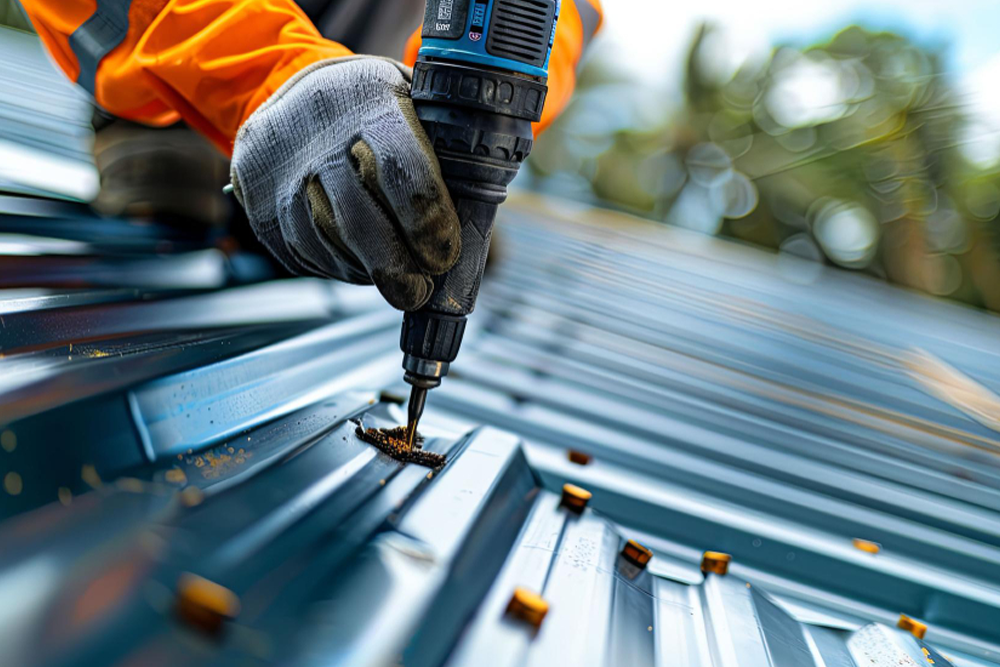
Start with the attachment method, since it shapes how the whole roof performs. On an exposed-fastener metal roof, screws pass through the panel face and remain visible from the outside. Each screw clamps the panel to the deck or framing. A standing seam roof uses concealed clips or hidden fastening points beneath raised seams. That cleaner surface changes the roof appearance and reduces direct weather exposure on the attachment system. For homeowners and contractors, this design choice affects inspection needs, panel movement, water control, and the finished look of the roof. It is the foundation for every difference that follows, from maintenance to cost.
2. Roof Penetrations
Small openings can shape long-term roof performance more than they first appear to. Exposed-fastener panels require screws through the metal surface, and each screw creates a sealed penetration. The washer and fastener head protect that point when installed correctly. Over time, sun, rain, wind, and panel movement can wear those exposed sealing areas. Standing seam panels place the fastening points under protected seams, so fewer attachment areas sit directly in the weather path. This difference is especially important on roofs that face heavy rain, salt air, strong sun, and repeated seasonal expansion during years of real building use and routine roof system aging.
3. Leak Resistance
Water control depends on roof slope, panel shape, flashing quality, installation skill, and regular care. A standing seam system often has an advantage here, since raised seams sit above the flatter panel area. Rain can travel down the roof with fewer exposed screw points in its path. The concealed attachment design also shields key fastening areas from constant UV, moisture, and wind exposure. Exposed-fastener roofing can still protect a building well when the screws, washers, sealants, and panel laps are installed correctly. The main concern is that visible fasteners stay on the weather surface, so they need closer inspection as years of storms and heat pass through each service cycle and seasonal roof inspections.
4. Maintenance Needs
For owners thinking beyond the first installation, upkeep should be part of the comparison. Exposed-fastener roofs usually need routine checks around screws, washers, sealant, panel laps, and trim. A backed-out screw or aged washer can create a weak point if it is ignored. Standing seam roofs usually reduce fastener-related upkeep since those attachment points are hidden and better protected. That said, every roof still needs attention after major weather, especially around gutters, flashing, valleys, debris buildup, and roof edges. A smart maintenance plan keeps either system performing better, while standing seam often lowers the number of visible fastener areas that need review.
5. Thermal Movement
Temperature changes make metal panels expand during heat and contract as they cool. This natural movement can be strong in sunny climates where roofs face long hours of direct exposure. On exposed-fastener systems, screws hold the panel through the face, so repeated movement can place stress around those fixed points. Standing seam systems often manage movement through clips or concealed fastening methods that let panels shift more freely. This can help reduce stress across wider roof planes and longer panel runs. For larger homes, commercial buildings, and storm-prone properties, movement control can play a major role in long-term roof behavior and performance across many years of service.
6. Installation Complexity
Speed can appeal to contractors and property owners when the project budget is tight. Exposed-fastener panels are generally more direct to install since screws are placed through the panel face at planned points. That simpler process can reduce labor time on suitable buildings. Standing seam installation calls for more precision with panel alignment, clip placement, seam engagement, flashing, and trim details. Some profiles also require special tools or trained installers to lock the seams correctly. The added skill level can raise installation cost, yet it supports stronger long-term performance when the roof system is planned and installed with care from the very start.
7. Cost Difference
Budget pressure often brings this comparison into focus early in the planning process. Exposed-fastener roofing usually has a lower upfront price due to simpler panel design, faster installation, and fewer concealed attachment parts. That can make it attractive for practical buildings or projects with tight cost limits. Standing seam usually requires a higher investment for materials, labor, and installation skill. The added cost can return value through cleaner appearance, reduced exposed fasteners, improved movement control, and lower fastener maintenance. A fair decision should weigh the purchase price against climate exposure, building use, expected lifespan, and the owner’s long-term priorities for the property.
8. Appearance and Curb Appeal
From the street, the difference is easy to see. Standing seam has a smooth architectural look with vertical raised seams and no visible screw pattern across the panel face. That clean style works well on modern homes, commercial properties, and premium exterior designs. Exposed-fastener panels have a more traditional ribbed look with visible screws. This can feel practical, structural, and familiar on garages, workshops, barns, storage buildings, and some commercial roofs. Visual preference is personal, yet the roof still affects curb appeal, resale impression, neighborhood fit, and how finished the building looks from every side under sunlight and changing viewing angles during the day.
9. Best Applications
Project type should guide the final choice more than trend or price alone. A standing seam roof is often selected for long-term residences, coastal properties, commercial buildings, and projects where clean appearance and weather performance carry high value. It suits owners who want concealed fasteners, strong lines, and reduced fastener maintenance. Exposed-fastener roofing can fit budget-conscious builds, garages, barns, warehouses, utility structures, and certain commercial properties. It also works well when installation speed and upfront cost are major priorities. The right application depends on roof slope, building use, design goals, climate exposure, and how actively the roof will be maintained after installation and during long future ownership.
Make the Right Metal Roofing Choice with Confidence
Choosing between exposed-fastener roofing and standing seam comes down to the kind of performance, appearance, maintenance, and value you expect from your roof. Both systems can serve the right project well when the panel type, roof slope, climate exposure, and installation details match the building. Exposed-fastener roofing often appeals to owners who need a practical and cost-aware solution. Standing seam often fits projects where concealed fasteners, clean lines, and long-term weather performance are higher priorities.
At Metal Master Shop, we help you turn that comparison into a roofing material decision you can trust. Through our Master Series™ product line, we supply profiles including 1.5 Mechanical Seam and 1.0 Nail Strip, along with exposed-fastener options such as 5V Crimp, PBR, and MAX-RIB. Our team can also support your project with trim, accessories, vents, fasteners, underlayment, custom orders, gutter fabrication, and export services for customers in Miami, South Florida, the Caribbean, and Latin America.
Contact us today to request a quote or review panel options for your next project. We are ready to help you choose confidently with clear product guidance.
FAQs
What is the main difference between exposed-fastener and standing seam metal roofs?
The main difference is the attachment method. Exposed-fastener roofs use visible screws through the panel face, while standing seam roofs use concealed clips or hidden fastening points under raised seams. This changes the look, water path, maintenance needs, and how the roof handles expansion and contraction during temperature changes.
Is standing seam better than exposed-fastener roofing?
Standing seam is often better for long-term weather performance, cleaner appearance, and lower fastener-related maintenance. Exposed-fastener roofing can still be a smart option for projects where budget, speed, and practical function are top priorities. The stronger choice depends on your roof slope, building use, climate exposure, and ownership goals.
Does an exposed-fastener metal roof leak more easily?
An exposed-fastener metal roof does not automatically leak when installed correctly, but it has more visible screw points on the roof surface. Those screws and washers need periodic inspection as the roof ages. Standing seam reduces exposed fastening points, which can improve water control and lower fastener-related maintenance over time.