How To Overlap Metal Roofing
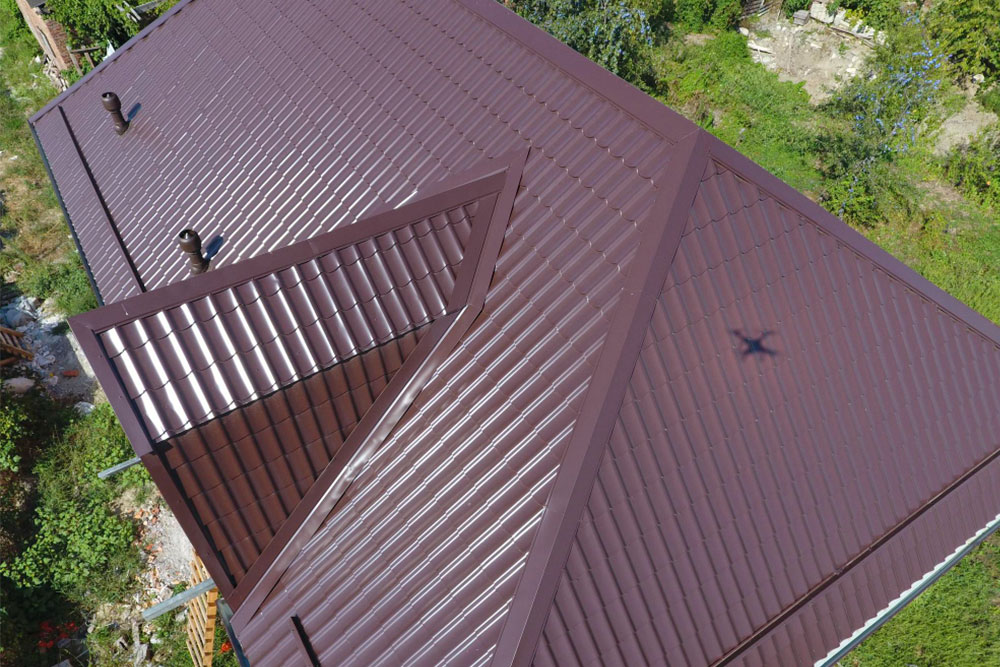
Putting up a metal roof is one thing. Putting it up so it stays dry inside is another. The secret is in the overlap. When you know how to overlap metal roofing correctly, water flows over the seams instead of sneaking through them. Get it wrong, and leaks can show up for years. This guide walks you through the simple rules that keep your roof watertight.
Why Overlap Matters
Metal panels do not come in one giant piece. They have to join together somewhere. Those joints are the weak spots if not done right. Rain runs down the roof looking for any gap to get through. A good overlap creates a path for water to follow that leads away from the building. It also gives the roof strength against wind trying to lift the panels up.
For quality metal roofs, the overlap is what makes the whole system work. Even the best panels fail if the seams are not done correctly.
Different Types of Overlaps
There are three main ways panels join together. Each serves a different purpose.
Side laps happen where two panels meet side by side. This is the most common overlap on a typical roof. One panel edge sits over the edge of the next panel. Water running down the roof hits that raised seam and keeps moving down.
End laps happen when one panel ends and another starts further up the roof. This happens on long roofs where a single panel cannot reach from eave to ridge. The upper panel overlaps the lower one so water flows over the joint.
Ridge laps happen at the very top where panels from both sides meet. A ridge cap covers the gap and overlaps both sides.
How Much Overlap Do You Need
The amount of overlap depends on where the seam is and how steep your roof is.
For side laps, overlap by at least one full rib or typically provides adequate coverage based on the panel profile. The raised rib creates a natural barrier that water cannot cross easily.
For end laps on a sloped roof, aim for a minimum of 6 inches of overlap. The upper panel should sit on top of the lower panel. On lower slope roofs, go with 8 to 12 inches. More overlap gives more protection when water moves slower down the roof.
For ridge caps, the cap should overlap each side by at least 6 inches. This keeps water from being blown up under the cap during wind-driven rain.
Tools and Materials
Before you start, gather what you need. Having everything ready saves time and keeps the job moving.
- Metal panels cut to size
- Self-tapping screws with rubber washers
- Butyl tape or sealant strip
- Tin snips or metal shears
- Tape measure
- Chalk line
- Drill with adjustable torque
- Work gloves and safety glasses
Quality materials make a big difference. Butyl tape, proper screws, and foam closures all play a part in getting the overlap sealed right.
Step by Step for Side Laps
Side laps are the most common seam you will deal with. Here is how to do them.
Start at the bottom corner of the roof. Set your first panel with about an inch of overhang at the eave. Screw it down along the bottom edge.
When you add the next panel, slide it over so the raised rib of the first panel fits under the overlapping edge of the new panel. The panels should nest together snugly. There should not be a visible gap between them.
Before fastening, check that the panel is straight. Measure from the edge of the first panel to the edge of the new panel at both the top and bottom. The numbers should match. If they do not, adjust before putting in screws.
Apply butyl tape along the seam before securing. Run the tape down the flat part where the overlap sits. Peel the backing off as you go. This tape compresses between the panels and creates a watertight seal. Using quality metal roofing accessories like butyl tape and foam closures makes this step much more reliable.
Drive screws along the overlap. Place them every 12 to 18 inches. Each screw should go through the flat part of the overlapping panel into the wood below. The screw should be straight and tight enough that the rubber washer just makes contact with the metal. Do not overtighten.
Step by Step for End Laps
When your roof is longer than your panels, you need end laps. This happens when one panel does not reach from the bottom to the top.
Place the lower panel first. It should go up the roof and stop. The upper panel goes above it, overlapping by at least 6 inches.
Before setting the upper panel, run butyl tape across the lower panel where the overlap will sit. The tape should go the full width of the panel.
Set the upper panel so it covers the tape completely. The overlap should be even across the width. Check that the panel is straight before screwing it down.
Drive screws through both layers of metal where they overlap. Use the same spacing as side laps. The screws should go through the flat parts into the wood underneath. This double layer adds strength to the seam.
Step by Step for the Ridge
At the top of the roof, the two sides meet. The ridge cap goes over this gap.
First, run foam closure strips along the top edge of the panels. These fill the gaps under the ribs and keep bugs and water out. Use butyl tape to hold them in place.
Apply a bead of sealant along the foam strips. Then set the ridge cap over the peak. It should hang down evenly on both sides. The cap should overlap each side by at least 6 inches.
Screw the ridge cap down through the ribs of the panels. Use screws long enough to reach the wood deck. Space them every 12 inches along each side.
Common Mistakes to Avoid
Even when you know how to overlap metal roofing, small errors can cause big problems.
Not enough overlap is the most common mistake. Skimping on overlap saves a few inches of material but invites leaks. Always follow the minimum measurements for your roof slope.
Forgetting the sealant is another problem. Butyl tape between overlaps is not optional. It is what makes the seam watertight. Without it, water can be drawn up into the overlap by wind or capillary action.
Overtightening screws warps the metal. The screw should compress the washer but not crush it flat. If you see the metal dimpling around the screw head, you have gone too far.
Poor alignment makes panels look bad and can leave gaps. Take time to measure and adjust before putting in all the screws.
Working on Different Roof Slopes
Steep roofs are easier for water flow. Water runs off quickly, so overlap requirements are less strict. Standard overlaps work well.
Low slope roofs need more care. Water moves slower and can back up into seams. Use larger overlaps on end laps. Add extra sealant at every seam. Some low slope installations call for sealant on every overlap rather than just tape.
The Role of Wind
Wind can push water up under overlaps. This is called wind driven rain. On exposed roofs or in open areas, consider the wind direction when planning your overlap.
A good rule is to overlap so the edge of the upper panel faces away from the prevailing wind. This makes it harder for wind to lift the edge and push water underneath.
At Metal Master Shop, we help customers think through these details before they start. A little planning ahead saves trouble later.
Checking Your Work
Once all panels are up, walk the roof and look at each overlap. Every seam should have sealant tape visible at the edges. Every screw should be straight and snug.
Run a hose on the roof after installation to test for leaks. Start low and work your way up. If you see water inside, mark the spot and seal it.
Knowing how to overlap metal roofing is the difference between a roof that lasts and one that leaks. The rules are simple. Overlap by the right amount. Use butyl tape on every seam. Drive screws straight and not too tight. Take your time on alignment. When you follow these steps for how to overlap metal roofing, you get a roof that handles rain, wind, and sun without trouble.
For projects that need custom fit or tricky areas, our box gutter fabrication services can help manage water flow where the roof meets walls or valleys.
At Metal Master Shop, we stand behind the materials we offer. Good overlaps