Standing Seam Vs. Ribbed Metal Roof: Which One Lasts Longer?
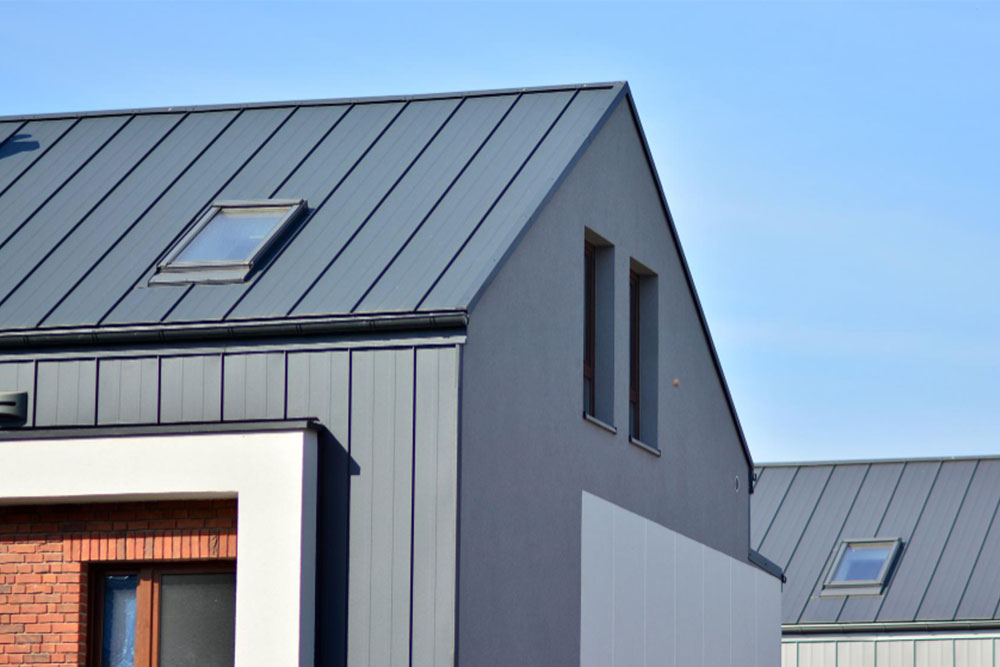
Picking a metal roof means making a choice that affects your home for decades. Two of the most common options are standing seam and ribbed panels. Both are strong. Both handle weather well. But when you look at standing seam vs ribbed metal roof, the question of which lasts longer comes down to how they are built and how they hold up over time. This guide breaks down the differences so you know what to expect.
What Makes Them Different
The main difference between these two types is in the seams and how they attach to the roof.
Standing seam roofs have raised seams that run vertically from the bottom edge to the peak. The panels lock together, and the fasteners are hidden under the seam or attached with clips. You do not see any screws on the surface. This gives the roof a clean, modern look.
Ribbed metal roofs, sometimes called R-panel or corrugated panels, have raised ribs spaced out across the panel. The fasteners go right through the flat part of the metal and into the wood below. You can see the screws or nails on the roof surface. For quality metal roofs, both styles offer good protection, but the way they are fastened makes a big difference in how they age.
Durability and Longevity
When it comes to standing seam vs ribbed metal roof longevity, standing seam usually comes out ahead. Here is why.
Standing seam panels use hidden fasteners. The clips that hold them down allow the metal to expand and contract with temperature changes. Metal grows when it gets hot and shrinks when it cools. With hidden fasteners, the panels can move without stress. This means fewer problems with screws backing out or holes getting bigger over time.
Ribbed panels use exposed fasteners. Screws go through the metal into the roof deck. Every time the metal expands and contracts, the screw holes can stretch slightly. Over many years, this can lead to loose screws and potential leaks. The rubber washers on the screws also wear down from sun exposure. A well-installed ribbed roof still lasts 30 to 50 years. But a standing seam roof often reaches 40 to 70 years or more.
Weather Resistance
Both styles handle rain, wind, and snow well. But standing seam has an edge in tough conditions.
The raised seams on a standing seam roof stand above the water line. Water runs down the panel and never reaches the seam connection. The interlocking design also resists wind uplift better than exposed fastener panels. Wind can get under a screw-down panel and lift it. The locked seams on standing seam hold tighter.
Ribbed roofs still perform well. They shed water effectively when installed correctly. In most weather, they give you solid protection. But in areas with high winds or frequent storms, the standing seam design offers more peace of mind.
Cost Comparison
Standing seam costs more upfront. The materials are more expensive. The installation takes more skill and time. You can expect to pay a premium for the hidden fastener system and the longer lifespan.
Ribbed roofs are more budget-friendly. The panels cost less. Installation is faster and simpler. For homeowners watching their budget, ribbed panels offer good value. The trade-off is a shorter lifespan and more potential maintenance down the road.
Appearance and Style
Standing seam gives a sleek, modern look. The clean lines and hidden fasteners appeal to many homeowners. It works well on contemporary homes and buildings where appearance matters.
Ribbed roofs have a more industrial or utilitarian look. The visible screws give it a different feel. Some people like this style for rural homes, shops, or sheds. It has a classic metal roof look that fits many settings.
Installation and Maintenance
Standing seam requires skilled installers. The panels must be measured precisely. The seams need to lock together correctly. Not every roofer has experience with this system. Finding the right contractor matters.
Once installed, standing seam needs very little maintenance. No exposed fasteners means nothing to tighten or replace. Occasional cleaning and inspection are usually enough.
Ribbed roofs are easier to install. Many roofers know how to put them down. The panels are more forgiving of small errors. But maintenance matters more. Screws should be checked every few years. Loose ones need tightening. Worn washers may need replacement. Using quality metal roofing accessories from the start helps extend the life of a ribbed roof.
Energy Efficiency
Both types reflect heat, which helps lower cooling costs. Standing seam can offer better energy performance in some cases. The hidden fastener system allows for insulation directly under the panels. The continuous surface also reflects sunlight evenly.
Ribbed roofs still give good energy savings compared to asphalt shingles. The reflective coating on the panels does most of the work. Either choice will help keep your home cooler in summer.
Which One Lasts Longer
If your main concern is maximum lifespan, standing seam wins. The hidden fasteners, interlocking seams, and ability to handle thermal movement give it the edge. A quality standing seam roof can be the last roof your house ever needs.
But ribbed roofs still offer strong durability. They last decades with proper installation and basic maintenance. For many homeowners, the lower upfront cost makes sense even with a slightly shorter lifespan.
At Metal Master Shop, we help customers weigh these choices. The right answer depends on your budget, your home, and how long you plan to stay there.
Making Your Decision
When comparing standing seam vs ribbed metal roof, think about these factors.
If you want the longest possible lifespan and a modern look, standing seam is worth the investment. The hidden fasteners and interlocking seams give you top-tier durability.
If you want a strong roof at a lower cost, ribbed panels do the job well. Just plan to check the screws every few years and replace any that get loose.
Both options give you the core benefits of metal roofing. They resist fire, shed water, and hold up against wind. They do not rot or grow mold. Either one beats traditional shingles for longevity.
For help finding the right materials, our box gutter fabrication services can also help with the water management side of your roof. Good gutters protect the edges and foundation no matter which panel style you pick.
At Metal Master Shop, we stand behind the products we sell. A roof is a long-term investment. Getting the details right from the start makes all the difference.