Metal Roof Vent Types: Find The Best Fit For Your Needs
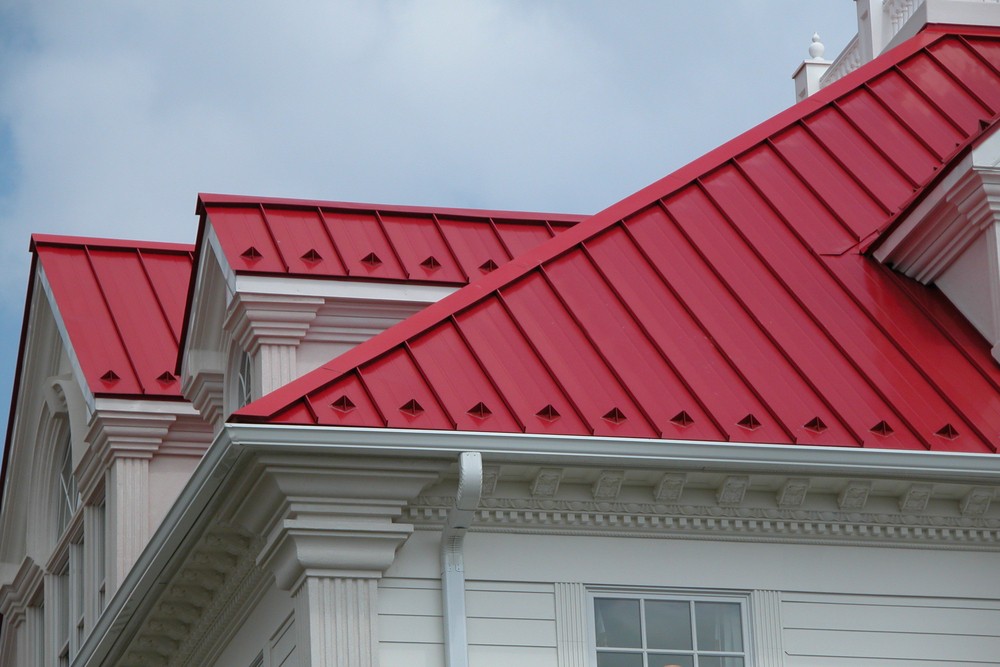
Roof ventilation plays a larger role than many homeowners realize. The type of vent you select affects your building’s temperature, energy use, and roof lifespan. Different metal roof vent types are designed to balance airflow, release trapped heat, and prevent moisture buildup that can damage insulation and decking. Selecting the right configuration promotes consistent comfort indoors while protecting the structure above.
Why Ventilation Matters for Metal Roofs
Metal roofs perform best when air can circulate freely beneath the surface. Without ventilation, trapped heat and moisture can shorten a roof’s life and weaken its materials. Condensation becomes a silent threat, forming under panels and seeping into insulation or wood decking. Over time, this can lead to corrosion, mold, and warped structures.
Proper airflow also helps regulate indoor temperature. During Miami’s hot months, heat radiates through the roof and increases cooling costs. In cooler weather, ventilation minimizes humidity buildup, reducing the likelihood of mildew or water damage.
Metal roofing systems are built for durability, but even the strongest materials need a balanced ventilation setup. The best metal roof vent types achieve this balance by creating a natural exchange between intake and exhaust points.
How Metal Roof Ventilation Works
A metal roof ventilation system uses two airflow paths: intake and exhaust. Cool air enters through intake vents placed along the lower part of the roof, usually under the eaves. Warm, humid air exits through exhaust vents near the peak or ridge.
This movement creates continuous circulation that stabilizes attic temperatures and prevents moisture from collecting. In Miami’s climate, this balance helps manage humidity and heat more effectively than closed systems.
Well-designed ventilation systems also help preserve energy efficiency. A cooler attic means air conditioners work less, lowering overall power consumption. When properly configured, vents not only protect the roof but also contribute to better comfort and reduced operational costs.
Ridge Vents: Discreet and Effective
Ridge vents are among the most popular metal roof vents types. They are installed along the roof’s peak, allowing warm air to escape continuously from the highest point. The design makes them effective yet nearly invisible from the ground, maintaining the roofline’s clean appearance.
Typically made from aluminum or galvanized steel, ridge vents are durable and resistant to corrosion, an important quality in coastal areas like Miami. They function best when paired with soffit vents, creating balanced airflow between intake and exhaust.
Beyond function, ridge vents blend seamlessly with most metal roofs. They do not interfere with the structure’s aesthetics and require little maintenance once installed.
Soffit Vents: Promoting Continuous Airflow
Soffit vents are installed under the eaves or overhangs of the roof and act as the system’s intake component. They allow cooler air to flow into the attic or under-roof space. The incoming air pushes warm air upward toward exhaust vents, maintaining steady circulation.
Metal soffit vents, especially those made of aluminum, are valued for their long life and resistance to rust. They are often perforated to allow airflow while preventing pests from entering.
When combined with ridge vents, soffit vents form one of the most efficient ventilation systems. This pairing helps reduce energy consumption and keeps the attic space dry, making it ideal for Miami’s humid environment.
Gable Vents: Traditional and Reliable
Gable vents are installed at the gable ends of a home, just below the roof’s peak. They allow hot air to exit the attic while permitting cross-ventilation from one side to the other.
Metal gable vents are often made from galvanized steel or aluminum, offering a long service life even in humid or salty air. They also add a classic architectural detail to many home styles, blending form with function.
Although gable vents can be used alone, they work best when combined with ridge or soffit vents to create balanced airflow. Their design makes them ideal for homes with spacious attics or steeply pitched roofs.
Turbine Vents: Powered by Wind
Turbine vents, often known as whirlybirds, use wind to power their rotation. As the fins spin, they pull hot air out of the attic and create suction that promotes consistent airflow.
These vents are typically made of lightweight aluminum or galvanized steel, making them both durable and responsive to even moderate wind speeds. Their mechanical design makes them effective in open or coastal areas where wind is constant.
Unlike powered fans, turbine vents operate without electricity, making them an energy-efficient option. They work best when paired with intake vents that allow cooler air to replace what is expelled.
In Miami’s breezy environment, turbine vents can be an effective addition to many metal roof accessories designed for ventilation and cooling. Metal roof accessories like these enhance the performance of roof systems while keeping airflow steady throughout the year.
Box Vents: Compact and Functional
Box vents, sometimes referred to as static vents, are simple, fixed openings near the roof’s ridge. They do not move or rotate but rely on natural convection to release hot air.
Metal box vents are typically built from aluminum or steel and feature a protective hood that prevents rain or debris from entering. Because they have no moving parts, they require minimal maintenance and can last as long as the roof itself.
These vents are best suited for smaller roof areas or when multiple vents are used together. Their low-profile design blends easily with various architectural styles, offering reliable ventilation without drawing attention to the roofline.
Cupola Vents: Function Meets Style
Cupola vents are one of the most visually distinctive metal roof vents types. These small structures sit atop the roof and act as a central exhaust point while also adding architectural charm.
Cupolas are often made of aluminum or copper, combining elegance with durability. The metal construction resists corrosion and fading even in humid or coastal climates. Functionally, they draw hot air upward and release it through vented louvers while allowing cooler air to enter from below.
Cupola vents are especially common on barns, larger homes, or commercial buildings that benefit from both improved ventilation and aesthetic appeal. Though more costly than other options, they often serve as both a design feature and a practical ventilation solution.
Choosing the Right Vent Type for Your Roof
Each vent type offers distinct advantages based on roof shape, local climate, and architectural goals. The right configuration depends on several factors, including roof slope, attic size, and building orientation.
For example, ridge and soffit vents suit most residential applications by maintaining balanced airflow. Gable vents fit traditional homes or roofs without continuous ridges, while turbine vents perform best in windy areas. Box vents work well for compact spaces, and cupolas offer both ventilation and aesthetic value for larger structures.
When choosing vent materials, metal options outperform plastic or vinyl alternatives in strength and longevity. Metal vents resist cracking, fading, and warping under Miami’s intense sunlight. Additionally, they match the appearance and durability of metal roofs, creating a cohesive and lasting system.
For unique or complex roof layouts, custom fabrication can help achieve optimal performance. Skilled suppliers can design vents that match panel profiles and roof geometry. Metal Master Shop fabricates metal ventilation components and roofing systems designed to meet Miami-Dade County Building Code standards and perform in South Florida’s demanding climate.
Static Vent Options for Metal Roofs
Static vents rely on natural airflow to circulate air through the attic. They are cost-effective and suitable for homes with moderate ventilation needs. Unlike powered systems, static vents have no moving parts, which makes them low-maintenance and long-lasting. Common styles include ridge vents, box vents, and gable vents. Each functions slightly differently, but all work toward reducing heat buildup and preventing moisture accumulation inside the attic.
Ridge vents are among the most efficient static systems. Installed along the roof’s peak, they allow hot air to escape evenly across the entire roofline. This balanced ventilation keeps interior temperatures more consistent and helps reduce pressure on insulation and HVAC systems. Ridge vents are also discreet, blending well with the roof’s appearance, which makes them a preferred option for modern homes.
Box vents, sometimes called turtle vents, are small square openings placed near the roof’s ridge. They are best suited for roofs without long ridgelines or for homes that require targeted ventilation in specific sections. Although they offer less airflow than ridge vents, they can supplement other vent types to maintain proper circulation. Gable vents, installed on the exterior walls near the roof’s peak, encourage airflow across the attic space by allowing air to enter from one end and exit from another.
Powered Ventilation Systems
For regions with extreme heat or humidity, powered vents deliver a higher level of control. These systems use electric or solar-powered fans to draw hot air out of the attic. By actively pulling warm air upward, powered vents help lower attic temperatures faster than natural ventilation alone. This type of system benefits homes with limited venting areas or complex roof structures.
Solar-powered attic fans have become increasingly popular due to their energy efficiency. They operate using sunlight, making them both sustainable and cost-effective in the long term. These fans can automatically adjust speed based on the temperature, maintaining consistent airflow without adding to utility costs. Electric-powered fans offer more flexibility in installation and can run continuously, but they do consume electricity and may require periodic maintenance.
Get Expert Guidance from Metal Master Shop
At Metal Master Shop, we understand that ventilation plays a key role in the performance and lifespan of any metal roof. We help homeowners and contractors choose vent systems that balance airflow, durability, and design.
Contact us today to discuss your project and discover how the right vent choice can make a lasting difference.