Metal Roof vs. Shingles: Which Is Better in a Hot Climate?
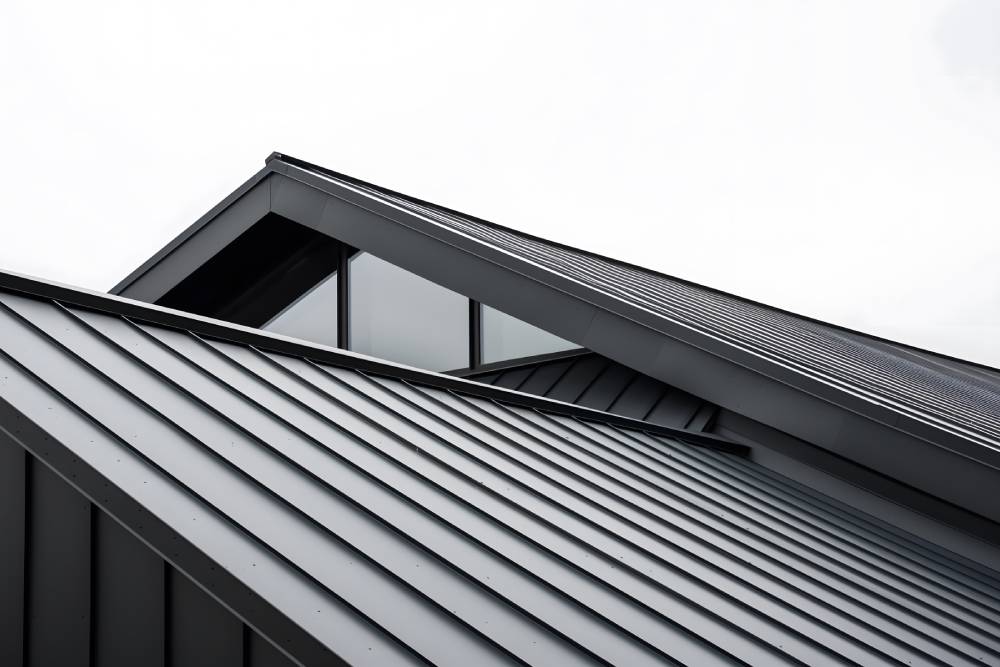
A hot climate does not politely “age” a roof. It grills it. Sunlight hits all day, surface temperatures spike, afternoon storms dump water, and nighttime cooling snaps everything back in the other direction. That expansion and contraction rhythm repeats thousands of times, and your roof has to keep its shape, its seals, and its sanity through every cycle.
Considering metal roof vs. shingles in a hot climate? Metal often has the advantage for heat handling and long-term ownership value, while shingles can still be a smart pick when upfront cost, neighborhood style, and simpler repairs matter most. The best answer depends on how your house is built, how long you plan to stay, and how much summer comfort matters to you.
What Hot Weather Does to a Roof
Hot climates do two things at once: they add energy to the roof system and speed up aging.
A “cool roof” is designed to reflect more sunlight and absorb less solar energy, which lowers building temperature. Under peak sun, conventional roofs can reach 150°F or more, while a reflective roof can stay more than 50°F cooler under the same conditions. That difference is not just a fun fact for trivia night. It can shape attic temperatures, HVAC runtime, and how comfortable the top floor feels at 3 p.m. in May.
Heat also affects material chemistry. Asphalt shingles age heavily due to thermal loading, and over time the asphalt can oxidize and become brittle. In a hot climate, that “slow bake” can show up sooner as curling, cracking, or general wear that makes a roof look tired before its calendar age says it should.
Metal Roof Basics in Hot Climates
Metal roofing is not one single product. It includes standing seam panels, exposed-fastener panels, and metal shingles, typically made from steel or aluminum with protective finishes. In hot climates, metal often performs well because it can be paired with reflective coatings and finishes that reduce roof surface temperature and solar heat gain.
A key concept here is that cool roof performance is about solar reflectance and thermal emittance working together. Metal roofing can be manufactured and finished to hit high reflectance and suitable emittance values for warm regions. If the goal is reducing roof heat load, metal gives you lots of finish options to chase that outcome.
Where Metal Can Struggle in Heat
Metal expands and contracts, and that movement can stress fasteners, seams, and penetrations if the roof is not detailed correctly. In very hot zones, poor detailing can lead to “small problems” like backed-out fasteners and tired sealant lines becoming recurring maintenance calls.
That is not a reason to avoid metal. It is a reason to care about installation quality, panel selection, and the detail work at edges, skylights, vents, and transitions.
Shingle Basics in Hot Climates
Asphalt shingles are the most common residential roofing material in many markets, largely because they are widely available and generally cost less upfront than many alternatives. They come in fiberglass and organic types, and they are typically surfaced with mineral granules that protect the asphalt layer and add UV resistance.
In hot climates, shingles can still work well, especially when you choose lighter colors or cool-rated products and pair them with good attic ventilation. But shingles are more directly tied to heat-driven aging because the asphalt component gradually changes under thermal loading and oxidation.
Where Shingles Can Struggle in Heat
Two pain points show up often in hotter regions:
- Heat-driven aging and brittleness over time, tied to thermal loading.
- Surface temperature buildup on darker roofs, which can push more heat into attic spaces and increase cooling demand.
Shingles are not automatically “bad” in heat. They just need smarter spec choices in hot zones.
Heat Performance: Which Roof Stays Cooler?
If you care about indoor comfort, heat performance is the headline category.
A cool roof reflects more sunlight and absorbs less solar energy compared with a conventional roof, reducing roof temperatures and building heat gain. Under the same sunny conditions, the difference between a conventional roof and a reflective one can be more than 50°F at the surface.
Metal Roof Heat Behavior
Metal roofs often get paired with reflective finishes and coatings, which can reduce the surface temperature under sun exposure. Cool metal roofing performance can be engineered through surface finishes that influence solar reflectance and infrared emittance. In hot climates where cooling loads dominate, increasing both reflectance and emittance improves thermal performance in field testing and analysis.
Another way to think about it: metal is not “cool” because it is metal. It is “cool” because the finish can be designed to bounce sunlight away and release absorbed heat effectively.
Shingle Heat Behavior
Shingles can also be “cool roof” products, but conventional dark shingles absorb more heat and run hotter at the surface. In very hot climates, that can mean hotter attics and more stress on the roof assembly during peak afternoons.
Practical takeaway: In hot climates, metal roofing often gives you more headroom to build a cooler roof system, particularly when you pick high-reflectance finishes.
Comfort and HVAC Impact: What Changes Inside the Home
Roof choice affects comfort, but the roof is only one part of the chain.
Cool roofs reduce temperatures not only on the roof surface, but also inside the building and in the surrounding ambient air. Cool roofs can also save money by decreasing air conditioning needs. If your home has ductwork running through a blazing attic, lowering attic temperatures can have an outsized impact on comfort and HVAC efficiency.
Still, a roof cannot “fix” weak insulation, leaky attic hatches, or poor ventilation. If those issues are present, the home may still feel hot, just slightly less miserable.
Practical takeaway: Metal tends to offer more cool-roof potential, but either roof type performs better when insulation and ventilation are handled well.
Lifespan and Aging: Who Holds Up Longer Under Sun?
Longevity is where many hot-climate homeowners become metal fans after their second shingle roof.
Asphalt shingle aging is driven heavily by thermal loading, and oxidation over time can make the asphalt brittle. When a material becomes brittle, it is less forgiving under movement and weather, and it can crack or degrade faster.
Metal does not have that same asphalt binder aging mechanism. That does not make metal immortal, but it shifts the “aging story” away from heat-driven binder changes and more toward finish durability, fastener integrity, sealant life, and corrosion control.
Practical takeaway: Hot climates tend to shorten the grace period for shingles compared with milder regions, while metal often remains stable longer when installed and detailed correctly.
Storm Performance in Hot Regions
Hot climates often overlap with these realities:
- Tropical downpours and wind events.
- Hail pockets.
- Salt air in coastal zones.
- Wildfire risk in dry heat regions.
Shingle performance varies widely by product type and rating. Fiberglass shingles can achieve Class A fire ratings, while organic shingles have lower fire ratings. Shingles also have impact resistance classifications and wind ratings, which can matter a lot in hail or hurricane-prone regions.
Metal roofs are often chosen for durability and wind performance, but attachment and edge detailing still decide how a roof behaves in extreme weather. In other words, metal is not a cheat code that’s maintenance-free. It is a durable platform that still needs good design and install.
Practical takeaway: For storms, compare the exact product ratings and the roof assembly design, not just the material category.
Maintenance and Repairs: What Ownership Feels Like
This is the category homeowners rarely think about until year five.
Typical Metal Roof Maintenance
Metal roofs often need periodic checks at:
- Fasteners (for exposed-fastener systems).
- Sealant and flashing lines around penetrations.
- Seams, transitions, and edge details.
In hot climates, expansion and contraction can make these details more active, so small maintenance work can prevent bigger leaks later.
Typical Shingle Roof Maintenance
Shingle roof maintenance often involves:
- Replacing damaged shingles after storms.
- Checking flashing lines.
- Watching for signs of heat aging like curling or cracking.
Shingle repairs can be simpler and cheaper per incident, and many contractors are comfortable working with shingles. The tradeoff is that aging can be more “whole-roof” over time in hot climates, rather than isolated to a few details.
Practical takeaway: Metal often asks for detail-based checkups, while shingles often ask for more frequent broad aging awareness in hot climates.
Heat-Ready Metal Roofing Systems in Miami, FL | Metal Master Shop
If heat is beating up your current roof, it may be time to switch to a metal system built for long summers and hard weather. At Metal Master Shop, we supply complete metal roofing systems plus the details that make installations cleaner, faster, and tighter, including accessories, trim, vents, tools, underlayment, and fasteners.
Choose from high-performance options backed by 100% U.S.-made, verifiably sourced steel and quality standards supported by UL and Intertek certifications. Need help picking the right components or planning the project? Get fast, reliable support and real guidance from a team that knows metal roofing from the ground up. Reach out today to request a quote and keep your next roofing job moving.