Planning A Metal Roof Replacement? Here’s What To Consider
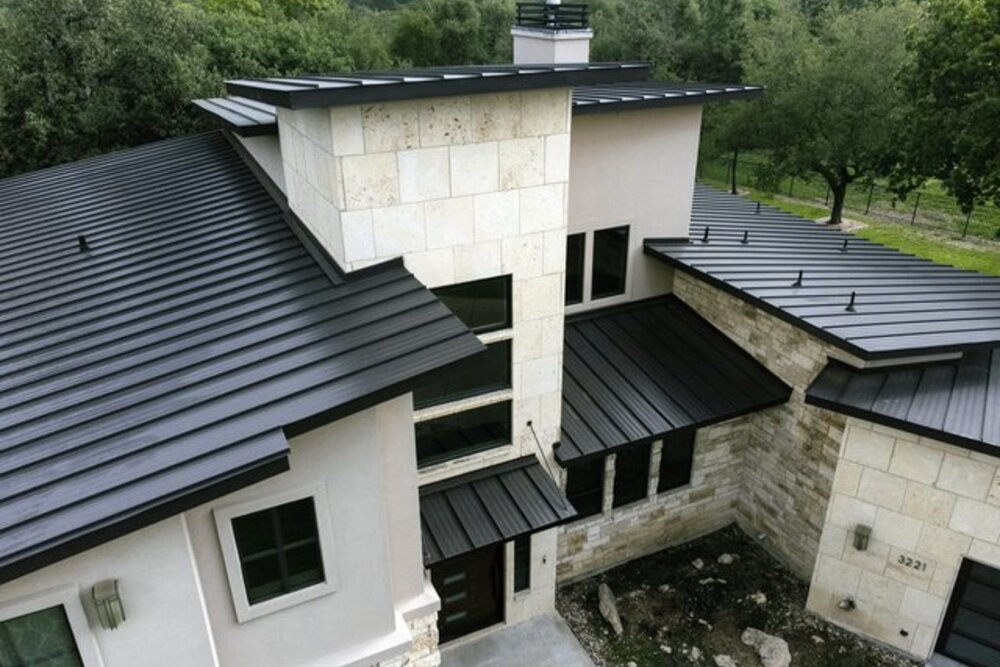
A metal roof replacement is one of the most impactful upgrades a property owner can make. It improves energy efficiency, enhances durability, and increases long-term value. Miami’s tropical weather, marked by high humidity and strong sun exposure, demands roofing materials that can withstand corrosion and heat. Metal roofs meet these demands while also offering design flexibility.
Choosing the right system, materials, and installation approach makes sure that your investment performs well for decades. Understanding each factor before the replacement begins helps avoid costly missteps later.
Understanding When Replacement Is Necessary
Every roof reaches a point when repair is no longer practical. The signs can vary based on the type of metal and maintenance history. Persistent leaks, widespread corrosion, or loose fasteners indicate that the structural integrity of the roof may be compromised. For older systems, coatings might have deteriorated, leaving the substrate exposed to moisture and salt air.
In coastal regions like Miami, environmental factors accelerate wear. Salt-laden air and high UV exposure can cause fading, chalking, or even surface pitting over time. Homeowners and contractors should inspect panels, seams, and flashing to identify visible damage. If corrosion or moisture intrusion is found across large areas, full replacement is the most reliable path forward.
A planned metal roof replacement also allows for structural upgrades. This can include new underlayment materials, improved insulation, or modern fastening systems that increase resistance to wind uplift.
Selecting the Right Metal Material
The type of metal used determines the roof’s longevity, performance, and cost. Common options include steel, aluminum, copper, and zinc.
Steel is a popular choice for its strength and affordability. It is often coated with protective layers like Galvalume to resist corrosion. This makes it well-suited for Miami’s humid climate.
Aluminum performs exceptionally in coastal environments due to its natural resistance to rust. It is lightweight and reflects sunlight efficiently, helping keep interior spaces cooler.
Copper stands out for its distinctive appearance. Over time, it develops a green patina that adds architectural character while protecting the metal surface.
Each material offers unique benefits, but the choice depends on the property’s location, design goals, and maintenance preferences. For many Miami homes, aluminum and Galvalume steel are preferred because of their combination of visual appeal and functional durability.
For more information about materials that excel in Miami’s environment, visit our page on metal roofing Miami, FL.
Evaluating the Roof Deck and Structure
Before beginning installation, the underlying structure must be evaluated. A roof deck that shows signs of rot, sagging, or moisture infiltration cannot support new metal panels effectively. Replacing damaged decking prevents future leaks and extends the new roof’s life.
The slope and shape of the roof also affect system choice. Standing seam panels perform best on steeper slopes, as they allow water to drain quickly. Low-slope roofs require specific panel profiles and sealants designed to manage water runoff without pooling.
Contractors must also verify that the existing framing can handle the weight of the new material. Although metal roofs are lighter than tile or asphalt systems, any structural weaknesses should be corrected before replacement.
Choosing the Right Roof Design
Aesthetics play a major role in a metal roof replacement. The roof’s style can transform the appearance of a home or building. Standing seam systems offer sleek lines and modern appeal, while corrugated or ribbed panels convey a more traditional or industrial look.
Color selection further enhances design impact. Lighter shades such as silver, white, and sand reflect sunlight, improving energy efficiency. Darker colors like bronze, black, or charcoal add depth and contrast but may absorb more heat.
Homeowners should also consider the surroundings. Coastal properties often favor reflective, lighter colors to minimize heat retention, while urban buildings can support deeper tones that complement modern architecture.
Accounting for Local Weather Conditions
Miami’s weather demands roofing systems designed for strength and endurance. Strong winds, heavy rain, and high temperatures all test a roof’s construction quality. Miami-Dade County Building Code sets strict standards for materials and installation to promote safety and reliability in such conditions.
Selecting products rated for hurricane resistance is non-negotiable. Fastening methods, panel thickness, and underlayment type all contribute to a roof’s ability to withstand storms. Choosing materials coated with corrosion-resistant finishes extends service life in salty, humid air.
Proper ventilation is another factor that affects performance. Balanced attic airflow prevents moisture buildup and heat accumulation under the roof deck, reducing the risk of mold and premature aging.
Understanding Coatings and Finishes
Metal roofing durability depends heavily on the coating system applied. High-quality coatings resist fading, corrosion, and chalking caused by prolonged UV exposure.
Two common types are SMP (Silicone-Modified Polyester) and PVDF (Polyvinylidene Fluoride). SMP coatings are durable and cost-effective, making them suitable for residential projects. PVDF coatings offer superior color retention and protection, especially in environments with strong sunlight and salt exposure.
When selecting finishes, homeowners should consider both appearance and performance. Gloss levels, texture, and reflectivity all influence how the roof interacts with its environment. The goal is to balance aesthetics with practicality.
Energy Efficiency and Reflectivity
Energy efficiency has become a major consideration for property owners replacing a roof. A reflective metal surface can significantly reduce heat absorption, lowering indoor temperatures and energy bills.
Cool-roof technology uses specialized pigments that reflect infrared radiation, keeping roof surfaces cooler without limiting color choices. Lighter shades naturally reflect more heat, but even darker hues can perform well when treated with high-quality reflective coatings.
For homes in Miami, where cooling systems run frequently, these benefits contribute to long-term savings. Over time, the reduced energy demand offsets the initial cost of a premium roof finish.
Considering Long-Term Maintenance
One of the most attractive advantages of a metal roof is its low maintenance requirement. Unlike shingles that degrade or tiles that crack, metal panels resist common issues like mold growth and warping. However, proper upkeep still matters.
Homeowners should inspect roofs annually, particularly after storm season. Removing debris, checking sealants, and cleaning gutters extend performance and appearance. Touch-up paint can address minor scratches before they spread.
When paired with professional installation and quality coatings, maintenance becomes straightforward. Most modern systems last several decades before any major attention is required.
Installation Timing and Planning
A roof replacement requires careful scheduling. Miami’s rainy season can complicate installation, so planning during drier months helps minimize delays. Coordinating with experienced contractors familiar with local codes and weather conditions improves project flow.
Efficient planning also includes securing all materials ahead of time. Custom-fabricated panels must be measured and cut precisely to match the building’s dimensions. Working with a supplier experienced in metal fabrication reduces the chance of errors and project setbacks.
Metal Master Shop fabricates complete systems tailored to each project, from panels to accessories. Our team understands how Miami’s climate influences installation timing and material selection.
To explore available systems and finishes, browse our full line of metal roofs.
Evaluating Cost Factors and Budget Planning
The cost of a metal roof replacement varies based on material type, panel design, coating, and labor. While initial expenses may be higher than asphalt shingles, metal systems deliver long-term savings through reduced maintenance and energy efficiency. Investing in quality materials pays off over time, especially in regions with harsh weather like Miami.
Material choice has the greatest influence on price. Steel is typically more affordable, while aluminum and copper carry higher costs due to their corrosion resistance and appearance. Roof complexity, such as slopes, valleys, or penetrations, can also increase labor time and waste. Selecting panels that match the roof’s geometry helps minimize cutting and material loss.
It is also important to budget for structural or decking repairs discovered during inspection. Addressing these issues during replacement prevents future expenses and structural problems.
Homeowners should view cost not only as an expense but as a long-term investment. A properly installed metal roof can last 40 to 70 years, reducing the frequency and cost of future replacements.
Understanding Lifespan and Warranties
Durability is one of the strongest advantages of metal roofing. When installed correctly, a metal roof can outlast most other materials while maintaining its structural and visual integrity.
Manufacturers often back their products with warranties ranging from 30 to 50 years. These cover issues like corrosion, paint fade, and manufacturing defects. However, warranty terms vary depending on coating type and maintenance requirements. Reading and understanding the coverage helps avoid misunderstandings later.
Contractor warranties are also valuable. They protect against workmanship errors, which are often the cause of premature leaks or performance issues. Partnering with experienced installers who follow Miami-Dade code standards makes sure that the roof performs as intended for decades.
Sustainability and Environmental Benefits
Metal roofs align with growing environmental awareness. They are often made from recycled materials and are fully recyclable at the end of their service life. Their reflective coatings also contribute to lower energy consumption, helping reduce a home’s carbon footprint.
Another sustainable feature is compatibility with solar panels and rainwater harvesting systems. The smooth surface allows for easy mounting and efficient water runoff. This makes metal roofing a practical choice for homeowners seeking energy independence and reduced environmental impact.
In warm regions like Miami, reflective coatings play a major role in decreasing cooling demands, offering both financial and environmental benefits.
Ready to Plan Your Metal Roof Replacement? Contact Metal Master Shop
At Metal Master Shop, we help property owners achieve lasting performance and design through expert fabrication and industry knowledge. Combining strength, efficiency, and beauty, our metal roof replacement solutions are engineered for Miami’s unique conditions.
Let us help you make your next roofing project durable and dependable.