Should You Screw A Metal Roof On The Rib Or The Flat?
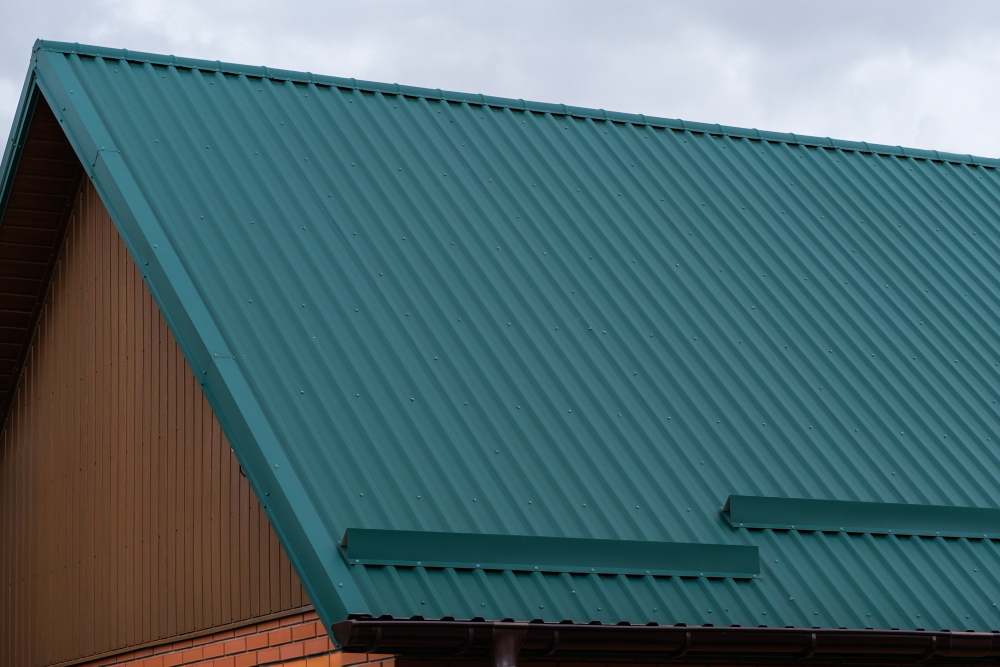
If you are putting up a metal roof, every detail matters. One of the biggest questions is where to put the screws. Should they go on the raised part, called the rib? Or should they go on the lower, flat part of the panel? The choice affects how well your roof holds up against wind, rain, and heat. Getting it right is key to avoiding leaks and keeping your home safe.
For homeowners in South Florida, choosing the right installation method starts with selecting quality materials from a trusted metal roofing Miami, FL supplier. This guide will help you understand the differences so you can make a smart choice for your property.
Understanding the Two Options
First, let us look at the parts of a metal roof panel. The ribs are the raised, wavy lines that run down the length of the panel. They give the roof its strength and help water run off. The flat sections are the smooth, low areas between the ribs. Each spot has its own purpose when it comes to holding the roof down.
Some people prefer to put metal roof screws on rib or flat based on looks. Others base it on how they think the roof will hold up over time. To decide, you need to know the good and the bad of each method.
Screwing on the Rib
Putting screws through the top of the rib is a common method. Here is how it works and what to think about.
Pros:
- The rib is the strongest part of the panel. It gives the screw a firm grip.
- This method allows for thermal movement. Metal expands in the heat and shrinks when it cools. The rib lets the panel move without putting too much stress on the screw.
- In high wind areas, this can offer more holding power.
Cons:
- There is a gap between the underside of the rib and the wood below, usually about 5/8 to 3/4 inch. The screw can flex in this space. Over time, this movement can cause the hole to get bigger, leading to leaks.
- Water can pool around the screw head on the rib. If the rubber washer fails, water can get in.
Screwing on the Flat
The other option is to put screws through the flat part of the panel. This method has its own set of benefits and drawbacks.
Pros:
- The screw goes all the way down to the wood or purlin with no gap. This makes a much stronger connection. There is no room for the screw to flex.
- This method is less likely to leak. The flat section does not hold water the way the rib does. Water runs right over the screw head.
- Many engineers and builders say this is the better way. Research has shown that screwing in the flats gives the roof more shear strength. That means it can better handle wind and other forces.
Cons:
- If you overtighten the screw, you can crush the flat part of the panel. This can cause dents and ruin the seal.
- Some people think the look is less clean, though many find it just fine once the roof is up.
What the Experts Say
The two sources we looked at offer different views. One source says both methods can work if you use good materials and follow the rules. They point out that screwing on the rib gives strength for wind and lets the metal move. They also note that screwing on the flat gives a cleaner look and less risk of water pooling.
The other source takes a stronger stand. Based on engineering research, they say you should always screw in the flats. Their reason is simple. When you screw on the rib, the screw is not tight against the wood. There is a gap. This gap lets the screw move. Over time, that movement can make the hole in the metal bigger. It also lowers the roof’s ability to handle wind. They say every metal panel maker suggests the flats for this reason.
Making the Right Choice for Your Home
So which way should you go? Here are a few things to think about.
- Look at your building plans.Some metal panels are made to be screwed in a certain spot. Check the maker’s instructions. If you go against them, you might void the warranty.
- Think about your local weather.If you live in a place with high winds or heavy storms, a strong hold matters most. In that case, the flats give you a more solid connection.
- Consider the look.If you want a certain style, the rib method might look cleaner from the ground. But keep in mind that function should come first for a roof.
- Use the right screws.No matter where you put them, use screws made for metal roofing. They should have a rubber washer that seals tight. Do not use cheap screws. They will fail. Pairing the right screws with quality metal roofing accessories makes a big difference in how long your roof lasts.
At Metal Master Shop, we know that small choices make a big difference in how a roof performs. Our job is to help you pick the right materials for your project. We offer a wide range of metal roofs and the parts to go with them. Whether you are building new or fixing up an old home, we want to see you get a roof that lasts.
The debate over metal roof screws on rib or flat comes down to this. Screwing on the rib is an older method that some still use. It gives a certain look and allows for movement. But the stronger, more modern choice is to screw in the flats. It gives you a tighter hold, less risk of leaks, and better strength against wind.
If you are doing the job yourself, take your time. Drive each screw straight and snug. Do not overtighten. If you are hiring someone, ask them where they plan to put the screws. A good roofer will have a clear answer and a good reason for it. For homes with complex rooflines, proper water management also matters. Our box gutter fabrication services can help make sure your whole system works together.
Your roof is a big investment. Taking the time to get the details right will pay off for years to come. A well-installed metal roof can handle the Miami heat, the heavy rains, and the occasional storm without trouble. For help finding the right panels and accessories, reach out to a local supplier who knows the climate. They can point you in the right direction.