Standing Seam Metal Roof Panel Types You Should Know
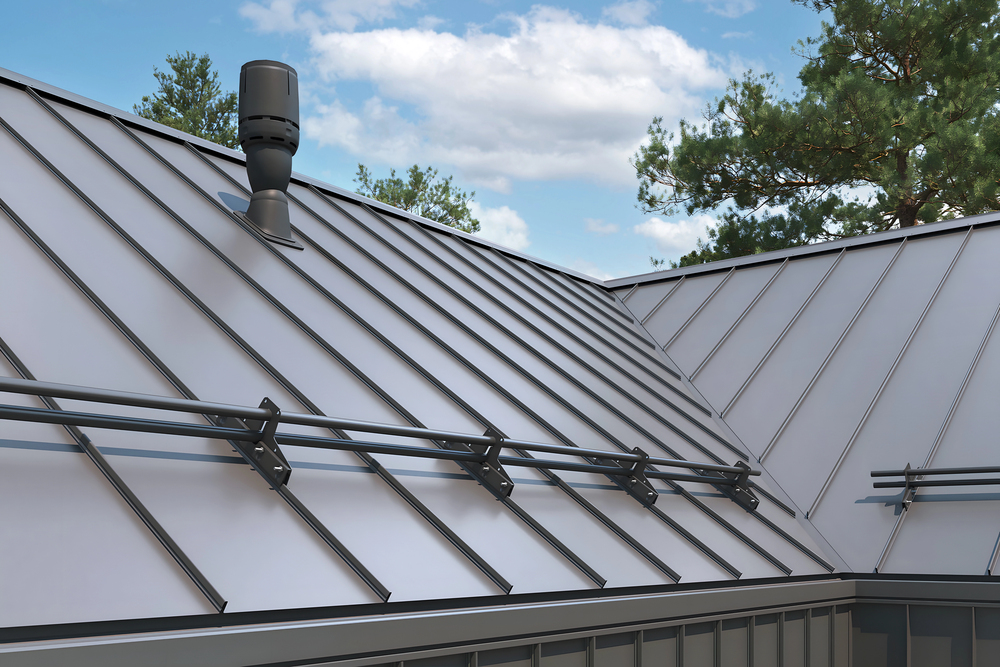
A durable metal roof provides lasting protection and adds visual appeal to any home or commercial building. It is a smart choice for many Miami property owners who need a roofing solution that withstands harsh weather conditions like hurricanes and heavy rain.
Many different types of metal roofing panels exist, and each design offers specific advantages for various applications and architectural styles. Making the best decision requires a solid understanding of the differences between the various panels available.
Let’s discover what standing seam metal roof types can make a great option for your next building project.
Snap-Lock Standing Seam Panel System Types
Snap-lock panels feature a design that allows roofing professionals to complete installation quickly and efficiently. Each panel has a male and female leg that snap together on site, forming a secure seam without the need for mechanical seaming tools. The hidden fastener system keeps screws and clips beneath the surface, producing a smooth, visually appealing finish.
Installers usually mount snap-lock panels over a solid deck or purlins, creating a stable base for the roofing system. This method keeps panels aligned and prevents movement or rattling during high winds. The interlocking system creates a water-tight barrier that prevents leaks and protects interior spaces.
The clean, streamlined appearance makes this type of panel popular among architects and homeowners looking for a modern aesthetic for new construction or roof replacement projects.
Mechanical-Lock Standing Seam Panel Types
Mechanical-lock panels form an exceptionally strong connection, ideal for areas with extreme weather conditions. During installation, roofing professionals use a seaming tool to fold or crimp the panel seams together. This mechanical locking process forms a tight, durable seal that resists uplift from strong winds and prevents water penetration.
Mechanical-lock panels are available in single-lock and double-lock designs. Single-lock systems create a secure fold that performs well in many residential and light commercial applications.
Double-lock systems take protection a step further and use two complete folds to form a 360-degree seam for maximum weather resistance. This feature makes them a preferred choice for coastal homes and hurricane-prone regions where extra security is critical. While installation takes more time and requires advanced skill, the result is a roof that performs reliably for decades.
Nail-Flange Standing Seam Panel System Explained
Nail-flange panels, sometimes called fastener-flange panels, provide a simple and budget-friendly option for many roofing projects. These panels come with a pre-punched flange that allows installers to fasten them directly to the substrate. Each subsequent panel covers the fasteners and creates a smooth, uninterrupted surface with no exposed screws.
This system is particularly effective for smaller buildings and homes with lower roof slopes. Because the panels are attached directly, they work best on shorter runs to limit thermal movement.
The integrated flange design reduces installation time and labor costs while still producing a polished final appearance. Contractors and homeowners appreciate nail-flange panels for their simplicity, quick installation, and clean look.
Batten Seam Metal Roof Panel System
Batten seam panels use a distinctive, traditional design that creates a bold architectural statement. Narrow metal panels with raised edges are joined together with a batten cap that secures them to the deck. The wide, raised seams add strong visual definition, which makes this style a favorite for buildings that need a classic yet dramatic appearance.
The elevated seams also deliver superior weather protection by channeling rain and snow away from vulnerable areas. This design significantly reduces the risk of leaks. Precision is key during installation, as evenly spaced battens are necessary to maintain symmetry across the roof.
Many architects choose batten seam systems for historic renovations, luxury homes, and custom projects where appearance and performance both play a major role.
Single-Lock Versus Double-Lock Seam Roof Panel
Single-lock seam panels use a single 180-degree fold to connect panels. This method provides solid weather resistance and requires less installation time. This makes it an efficient choice for many projects.
Double-lock seam panels use two full folds, creating a 360-degree seal that is nearly impenetrable to water and wind. This superior connection makes double-lock systems the preferred choice for hurricane-prone areas and large commercial buildings.
The process takes longer and demands high precision. However, the result is unmatched strength and longevity.
Tapered Standing Seam Roof Panel Types
Tapered panels are a specialized solution for roofs with unique shapes such as cones, domes, or curved sections. Each panel is custom-cut to fit the roof’s geometry. This allows for a seamless installation without excessive trimming or piecing. Such an approach creates a refined, professional look even on complex rooflines.
Projects with hips, valleys, or curved ridges benefit from tapered panels because they eliminate the awkward appearance caused by cutting standard panels into smaller pieces. Although tapered systems come with higher fabrication costs, they bring exceptional precision and a high-end finish.
Many luxury residential and commercial properties use tapered panels to achieve a custom, striking roofline.
Standing Seam Metal Roof Panel Material Types
Steel remains one of the most widely used materials for standing seam metal roof types because of its strength and affordability. Galvanized or Galvalume coatings help steel resist corrosion and extend its service life.
Aluminum panels are highly resistant to corrosion and are especially well-suited for coastal properties where salt exposure is a concern. Their lightweight nature reduces structural load and simplifies installation. Although aluminum generally costs more than steel, it delivers outstanding durability and minimal maintenance requirements.
Key Differences Between Structural and Architectural Panel Systems
- Load Capacity
Structural panels are designed for superior strength and load-bearing capacity. They can handle heavy snow, wind, and other environmental loads without relying on a full deck for support. This makes them ideal for warehouses, agricultural facilities, and other large commercial buildings that benefit from a robust roofing solution with fewer supporting structures.
- Visual Aesthetic
Architectural panels are chosen primarily for their appearance. They bring a sleek, refined look that works well for homes and upscale commercial projects.
They function as a weather-tight covering rather than a structural element and require a solid substrate beneath them. A wide selection of colors, finishes, and seam profiles allows for a highly customized, visually striking final result.
- Cost and Installation
Because of their thickness and strength, structural panels generally carry a higher price tag but can be installed more quickly since no continuous deck is needed.
Architectural panels, while more affordable per panel, often involve a longer installation process due to the need for a supporting substrate, which can increase labor time. The final decision often depends on the project’s budget, structural requirements, and aesthetic priorities.
- Flexibility and Design
Architectural panels provide extensive design flexibility, with numerous seam heights, profiles, and finishes available to suit a range of architectural styles. Structural panels, by contrast, are built with performance as the main focus and have fewer design variations.
The selection ultimately hinges on whether strength and load capacity or a highly customized look take precedence for the project.
Factors to Consider When Choosing a Panel Type for Your Climate
- Wind Resistance: For buildings in hurricane-prone areas like Miami, wind resistance is one of the most critical considerations. Panels with mechanical-lock or double-lock seams bring the highest level of protection, using a secure folded seam that keeps panels firmly in place and prevents wind uplift that can damage the roof system.
- Salt Exposure: Coastal environments expose roofing materials to salt-laden air, which can accelerate corrosion. Aluminum panels perform exceptionally well in these conditions because they resist rust and maintain their structural integrity even under harsh marine exposure, making them ideal for properties near the ocean.
- Thermal Movement: Metal naturally expands and contracts with temperature changes. Systems designed with clip attachments, such as snap-lock or mechanical-lock panels, accommodate this movement without stressing the material. This feature helps prevent buckling, oil-canning, and long-term damage as temperatures fluctuate daily and seasonally.
- Sun Exposure: Miami’s intense sunlight can cause dark-colored panels to fade over time. Choosing a product with a high-performance Kynar finish improves color retention and fade resistance. Opting for lighter colors also reflects more solar heat and helps reduce indoor temperatures and lower air conditioning costs.
The Importance of Proper Installation for Each System
- Manufacturer Specifications
All metal roofing manufacturers provide very specific installation guidelines for their products. These guidelines cover everything from the type of fasteners to use to the correct way to seal the seams. Installers must adhere to these specifications to make sure the roof performs as designed and to protect the manufacturer's warranty.
- Seam Integrity
The seams are the most vulnerable parts of a standing seam metal roof. Installers must properly join and seal the seams to create a weather-tight barrier. Any errors during the seaming process can lead to leaks, which can damage the building's interior and lead to costly repairs down the road.
- Substrate and Underlayment
The quality of the roof deck and the underlayment below the panels has a huge impact on the roof’s performance. A solid, well-prepared substrate brings a stable base for the panels, which prevents them from moving or rattling. A high-quality underlayment adds an extra layer of protection against water and moisture.
- Flashing and Trim
The proper installation of flashing and trim around the roof's edges, valleys, and penetrations provides a critical seal. Flashing directs water away from vulnerable areas and prevents water from entering the building. A poorly installed flashing system is a very common source of roof leaks.
Choose the Best Metal Roofing Systems in Miami at Metal Master Shop
Metal Master Shop guides Miami contractors and property owners in selecting the ideal metal roofing system for any type of project. Our team delivers custom solutions that combine exceptional strength with lasting curb appeal, designed to withstand Florida’s demanding weather conditions.
We carry a comprehensive selection of premium metal roofing panels and building supplies, giving you everything needed for a seamless installation from start to finish. Our commitment to quality means every product meets strict performance standards, helping you complete projects that are built to last.
In addition to serving Miami and the surrounding areas, we also offer export services for projects throughout the Caribbean and Central America. Reach out today to discover how Metal Master Shop can help you create a strong, beautiful metal roof that will protect your property for decades.