Types Of Metal Roof Flashing And Their Common Uses
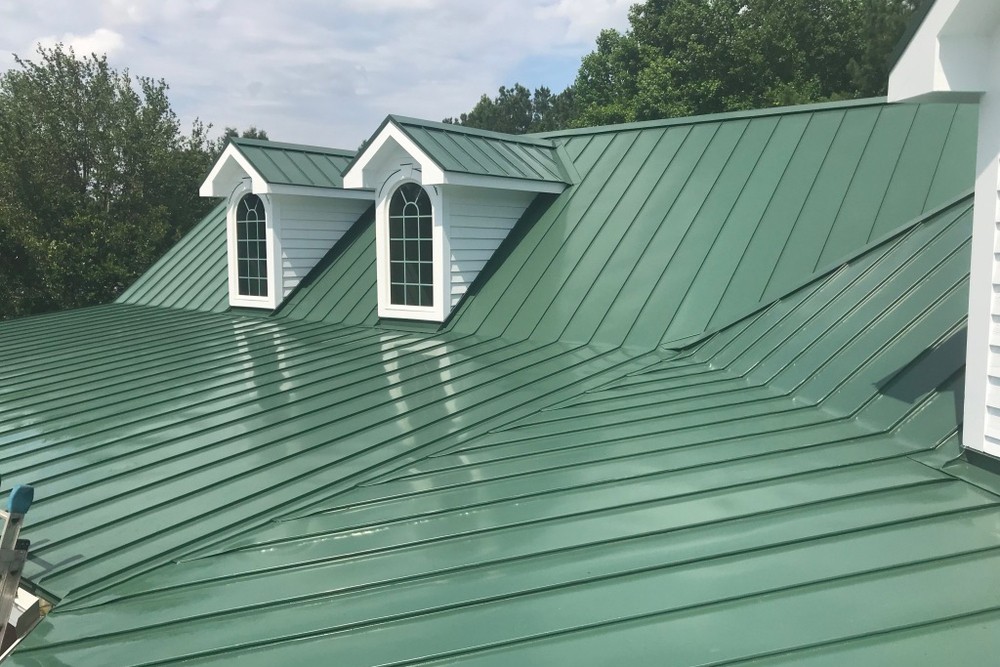
Metal roofs are built to last, but even the strongest systems depend on proper detailing to stay watertight. One of the most vital components is flashing, which consists of thin metal sheets that seal joints and transitions. Without it, rainwater can easily find its way under panels, leading to rust, rot, and expensive repairs.
Understanding various metal roof flashing types helps builders, contractors, and homeowners plan and maintain metal roofing in Miami, FL, to protect their investment and extend the life of the roofing system.
The Purpose of Metal Roof Flashing
Flashing serves as a barrier against water intrusion in areas where the roof meets vertical surfaces or openings. These intersections, such as chimneys, valleys, skylights, and vents, are prone to leaks if not properly sealed. Flashing channels water away from these points, directing it toward the gutters or off the roof entirely.
In Miami’s humid, storm-prone environment, proper flashing is not just a construction detail but a safeguard. Coastal climates bring heavy rain, high humidity, and wind-driven moisture that can stress a roof system. Corrosion-resistant metals such as aluminum, galvanized steel, and copper are preferred for their ability to withstand the region’s salt-rich air and fluctuating weather conditions.
High-quality flashing is one of the many metal roof accessories that determine how well a roof performs over time. When installed with precision, it prevents water from pooling, stops leaks before they form, and helps maintain the structure’s integrity.
Step Flashing
Step flashing is used at points where a sloped roof meets a vertical wall, such as near dormers or chimneys. It consists of rectangular pieces of metal bent at a 90-degree angle, with one leg extending up the wall and the other lying flat under the shingles or panels. Each piece overlaps the one below it to create a layered, shingle-like pattern that redirects water downhill.
This method prevents water from seeping between the roof and wall, a common issue in older or poorly installed systems. For metal roofs, step flashing made from aluminum or galvanized steel offers long-term resistance to corrosion and maintains a clean, professional appearance.
Counter Flashing
Counter flashing, sometimes called cover flashing, is installed over step flashing or other vertical flashings to add another layer of defense. It prevents water from entering behind the base flashing by sealing the upper edge against the wall or chimney surface.
In metal roofing applications, counter flashing is typically fabricated to fit the specific project dimensions. When used correctly, it protects vulnerable junctions against wind-driven rain and UV exposure. It also adds a finished, polished look to transitions between roofing and vertical surfaces.
Drip Edge Flashing
Drip edge flashing is placed along the roof’s perimeter at the eaves and rakes. It has a slightly angled profile that directs rainwater into the gutters instead of allowing it to seep behind fascia boards or under roof decking.
This type of flashing helps prevent rotting wood, mold growth, and damage to the underlying structure. It also guards against soil erosion near the foundation by controlling water runoff. For Miami homes, drip edges made from coated aluminum or stainless steel resist rusting and discoloration caused by humidity and salt exposure.
Valley Flashing
Valley flashing is used in the V-shaped channels where two roof slopes meet. These valleys collect and carry large volumes of rainwater, making them particularly vulnerable to leaks. Valley flashing, often made from galvanized steel or aluminum, lines the valley to guide water safely toward the gutters.
Without proper flashing, debris can accumulate and trap moisture, leading to corrosion and leaks. Open-style valley flashings are often preferred for metal roofs since they allow better drainage and make cleaning easier. Contractors in Miami often opt for custom-fabricated panels from trusted suppliers to fit complex roof designs accurately.
Vent Pipe Flashing
Vent pipes for plumbing or exhaust systems pass through the roof deck, creating openings that require precise sealing. Vent pipe flashing, often called a “boot,” features a flared base that sits over the roofing surface and a collar that fits snugly around the pipe.
Modern versions combine metal bases with flexible rubber collars to create a tight, weather-resistant seal. On metal roofs, aluminum or stainless steel bases are preferred for their durability. This type of flashing prevents water infiltration that could otherwise lead to mold growth, insulation damage, or ceiling stains.
Skylight Flashing
Skylights add light and style but introduce a potential weak point in the roof’s waterproofing system. Skylight flashing consists of several pieces that form a perimeter seal between the skylight frame and the roofing surface. It channels rainwater away from the opening and down the roof slope.
Manufacturers often supply skylight flashing kits designed to integrate with specific skylight models. However, for custom roof systems or unique dimensions, specialized sheet metal fabrication may be needed to achieve the perfect fit. In humid climates like Miami, tight-fitting flashing prevents condensation and moisture buildup around skylights.
Headwall Flashing
Headwall flashing is installed where the top of a sloped roof meets a vertical wall, such as at the base of an upper-story exterior wall. This type of flashing directs water down the roof surface and into the drainage system.
It is typically made from aluminum or galvanized steel and must extend up the wall and over the roofing panels. When paired with sealant or counter flashing, it prevents leaks caused by heavy rain or wind-driven moisture.
Cap Flashing
Cap flashing protects the tops of parapet walls, roof edges, and similar structures from water infiltration. It overlaps the base flashing and extends slightly over the wall’s edge to divert water away.
Commonly fabricated from copper, aluminum, or galvanized steel, cap flashing helps prevent water from entering wall cavities or damaging the roof edge. In addition to moisture protection, it gives a clean, finished look to exposed surfaces. In Miami’s climate, it plays an important role in preventing moisture intrusion during intense rainfall or hurricane conditions.
Endwall Flashing
Endwall flashing is used where the upper end of a roof slope meets a vertical wall, such as the top edge of a shed roof connecting to a house. The flashing directs water away from this junction, keeping the wall dry and the interior protected.
It functions similarly to headwall flashing but is positioned differently based on roof slope. Endwall flashing made from coated aluminum or galvalume offers excellent corrosion resistance for long-term performance.
Kickout Flashing
Kickout flashing serves a vital function where a roof meets a vertical wall, especially near gutters. It directs rainwater away from the siding and into the gutter system, preventing water from running down the wall. Without it, moisture can seep into stucco, brick, or wood, leading to rot and mold. This flashing type is small but indispensable for protecting exterior finishes from long-term water exposure. In humid climates like South Florida, proper installation is especially important to prevent costly water damage.
Chimney Flashing
Chimneys, vents, and skylights interrupt the roof’s surface, making them vulnerable to leaks. Chimney flashing typically consists of multiple components: base flashing, step flashing, counter flashing, and sometimes cricket flashing. These parts work together to form a watertight barrier around the chimney structure.
Step flashing is installed in layers along the side of the chimney, interwoven with roofing panels to guide water away. Counter flashing is placed over the top of the step flashing and embedded into the chimney mortar for added security. For larger chimneys, a small ridge known as a cricket is sometimes installed to divert water and debris away from the back of the chimney.
Metal options such as copper or stainless steel are preferred because they resist corrosion and last decades with minimal maintenance. When paired with durable metal roof accessories, chimney flashing provides long-term protection and complements the overall appearance of the roof.
Gable Flashing
Gable flashing, sometimes called rake flashing, runs along the sloped edges of a gable roof. Its purpose is to protect the roof edge from wind-driven rain and prevent water from getting beneath the roofing panels. The flashing extends slightly over the edge of the roof, channeling water into the gutters.
In metal roofing systems, gable flashing also helps strengthen the roof perimeter and reduce uplift during storms. For coastal areas like Miami, aluminum or galvalume flashing provides long-term corrosion resistance against salt air. Precision installation keeps the roofline neat and watertight while protecting the underlying structure from moisture damage.
Transition Flashing
Transition flashing is used when two roofing materials meet at different slopes or planes—for example, when a metal roof connects to a flat section covered in another material. It bridges the gap between surfaces, preventing water from collecting where the two roofs join.
This type of flashing must be custom-fabricated to fit the roof’s pitch and profile. On commercial or complex residential buildings, transition flashing helps maintain continuity in water drainage. Durable materials like coated steel or aluminum are preferred since they resist corrosion and expansion from heat exposure. Properly installed transition flashing extends the service life of both roof sections and maintains a smooth appearance across the surface.
Parapet Wall Flashing
Parapet wall flashing is installed at the top and base of parapet walls to stop water from seeping into wall cavities. These walls, often found on flat or low-slope roofs, are highly exposed to rain and wind. Flashing covers the top of the wall and ties into the roof membrane or panels to divert water away from joints.
In metal roofing, parapet flashing not only seals the wall-roof intersection but also strengthens the system’s overall durability. Aluminum and stainless steel are ideal choices because they resist corrosion and maintain their shape under strong wind pressure.
In high-humidity climates, proper parapet flashing prevents moisture infiltration that could otherwise lead to cracking, efflorescence, or mold growth inside the building envelope.
Eave Flashing
Eave flashing is installed along the lower edge of the roof where water first begins to drain off. Its main function is to prevent water from seeping under the roofing panels and damaging the decking or fascia boards. It works hand in hand with the drip edge, creating a secure, watertight barrier at one of the most vulnerable points on a roof.
In metal roofing systems, eave flashing also protects the underlayment from wind-driven rain and ice buildup. The flashing directs runoff straight into the gutter system, reducing the risk of leaks and rot near the roofline. For humid and coastal areas like Miami, eave flashing made from corrosion-resistant aluminum or coated steel offers long-lasting protection and helps maintain a clean, finished appearance along the roof’s edge.
Let Metal Master Shop Build the Right System for You
At Metal Master Shop, we craft precision-engineered flashing and metal roof accessories designed for performance in South Florida’s demanding climate. From drip edges to custom chimney flashing, every component is built to fit perfectly and protect against corrosion and leaks.
Our team understands the unique challenges of metal roofing in coastal environments and fabricates systems that meet local building codes.
Contact us today to discuss how our expertise can help you complete your next roofing project with confidence.