How to Choose The Best Metal Roof Sealant for Your Home
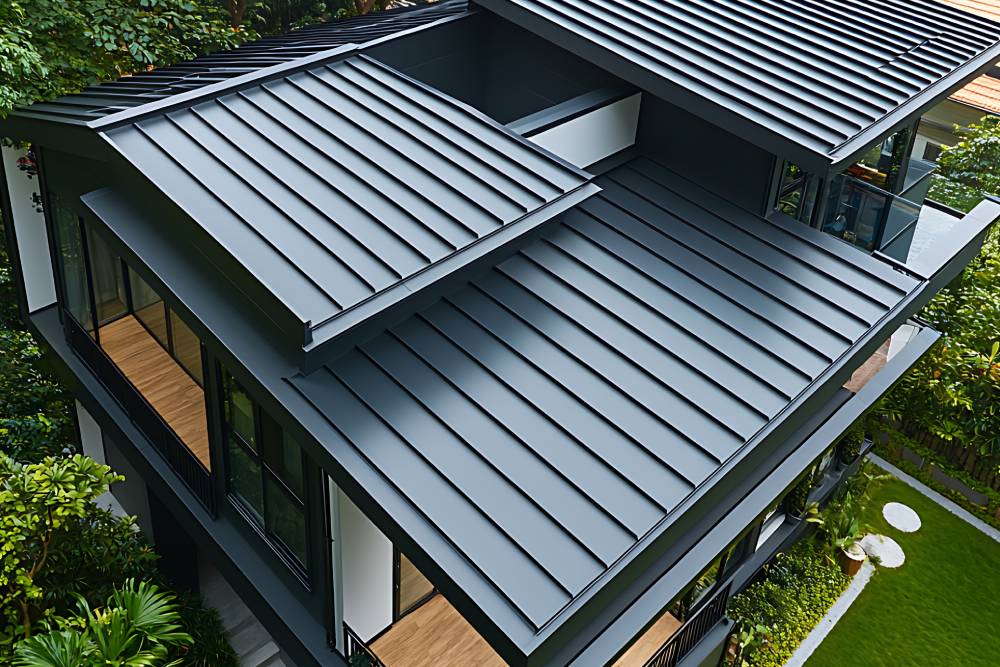
A metal roof is a tough, tidy piece of engineering. It sheds rain like a champ, shrugs off most rot issues, and looks sharp from the street. Still, metal roofs have one familiar weak spot: the joints. Every seam, fastener, and flashing detail is a chance for water to get curious.
That is why picking the right metal roof sealant matters. The right product can stop a small leak before it becomes a ceiling stain, a soggy insulation problem, or a slow rust story that keeps getting worse. The wrong product can crack, peel, or fail to bond, and then you are back on the ladder after the next hard rain.
This guide breaks down the most common sealant types, where each one shines, and how to match a product to your roof’s real-life conditions.
Start with the Leak Map
Before comparing tubes and labels, figure out where the roof is actually vulnerable. Most home metal roof leaks show up in a few predictable areas.
- Fasteners: Screws can be over-driven, under-driven, or lose compression as washers age, letting water sneak around the penetration point.
- Seams and overlaps: If sealant at laps breaks down, moisture can migrate into small gaps, including via capillary action at overlaps.
- Flashings and penetrations: Vents, pipe boots, skylights, chimneys, and roof-to-wall transitions often fail when movement and weathering stress the seal line.
A smart way to choose sealant is to match the product to the exact joint type. A static lap joint wants something different than a wide-moving flashing line.
Sealant vs. Coating: Know What You Are Buying
Sealant is for joints and details. Coatings are for broad roof surfaces. Many homeowners blur the two, then get frustrated when a “roof coating” does not fix a seam leak, or when a seam sealant is smeared across a large area and fails early.
A practical approach is to treat the roof like a system: seal laps, penetrations, and fastener problem zones first, then consider a coating only if the roof needs whole-surface waterproofing or reflectivity.
The Main Sealant Families
Most metal roof sealants fall into a few material families. Each has a personality.
Butyl Tape and Butyl Sealant
Butyl is a favorite for metal panel laps and closures because it stays flexible and seals well where panels overlap. Butyl tape is recommended for side and end laps, and for use around roof vents and pipe flashing details.
Butyl also has very low permeability, meaning it can act as a strong vapor-retarding barrier in some roofing restoration contexts. That makes it handy when the goal is to block moisture movement through joints, not just stop wind-driven rain.
Best uses:
- Side laps and end laps on metal panels.
- Under closures and trim interfaces where a compressible seal is needed.
Watch-outs:
- Product selection matters because not every butyl option handles UV exposure the same way, so it is often installed where it is not directly exposed long-term.
Silicone Sealant
Silicone is famous for flexibility and weather resistance. It handles sun exposure well compared with many alternatives and keeps its elasticity over time, which helps on roofs that move daily with temperature swings.
Silicone is also a common ingredient in roof coating systems, and it is often discussed for its strengths and tradeoffs in real-world roofing use. For home metal roofs, silicone sealant is often chosen around penetrations and flashing edges where movement is expected.
Best uses:
- Flashings and penetrations with frequent movement.
- High-UV exposure areas where long-term flexibility matters.
Watch-outs:
- Some silicone roof products can attract dirt over time, which can affect reflectivity if the surface is meant to stay bright.
Polyurethane (Urethane) Sealant
Polyurethane sealants are valued for strong adhesion and toughness. They are a common choice for construction joints and can bond well to many materials found on roofs.
A known drawback is UV sensitivity compared with silicone in many formulations. Polyurethane can be more susceptible to UV degradation than silicone. That does not mean polyurethane is “bad,” it means it needs smart placement, compatible topcoats, or other protection in harsh sun zones.
Best uses:
- High-adhesion joints where toughness is a priority.
- Areas with potential abrasion or contact, if UV exposure is managed.
Watch-outs:
- UV exposure can shorten service life for some polyurethane products unless protected.
Hybrid Options (SMP, MS Polymer, and Other Blends)
Many manufacturers offer hybrid sealants designed to balance adhesion, paintability, and weather resistance. These can be a good fit when a roof detail needs a sealant that can also be coated or painted for appearance.
Because hybrid performance varies widely by brand and formulation, the best move is to check the product data sheet for allowable substrates, service temperature range, and movement capability.
Pick by Application
A sealant label can sound heroic. What matters is how it behaves at your roof detail.
Seams and Panel Laps
Butyl tape is commonly recommended for side and end laps of metal panels because it compresses and seals as panels are fastened together. If your roof leak is tracking along a lap line, start by checking panel alignment, fastener seating, and the condition of existing tape or sealant.
Fasteners and Screw Lines
Fastener leaks often come down to washer failure or incorrect screw seating, like over-driving that crushes the washer or under-driving that leaves it loose. Sealant can help as a targeted repair, but replacing problem fasteners is often part of the fix, because the mechanical seal at the washer is what keeps water out in the first place.
Flashings, Vents, and Penetrations
These spots move. Pipes expand, boots flex, and metal panels slide slightly as temperatures change. Silicone is often chosen in these areas because it stays flexible and resists weathering. Butyl products also appear in guidance for sealing around vents and pipe flashing details, especially as part of lap and trim sealing.
Patches and Small Holes
For small punctures or damaged areas, use butyl tape around the hole edge, install a flashing patch, then add a bead of sealant around the patch perimeter. This layered approach gives a mechanical barrier plus a sealed edge line.
Temperature, Timing, and Curing
Metal is a heat magnet. It can be cool in the early morning and painfully hot by midday. That temperature swing affects workability, cure speed, and adhesion.
Avoid application when metal surface temperatures exceed 40°C. Morning hours can provide a more workable window before extreme heat builds. Many standard sealants need application temperatures above about +5°C, and both air and substrate temperature matter because cold metal can lag behind air temperature.
If you live in a very dry climate, cure speed can also change. Low humidity can slow moisture-cure sealants, and light misting can accelerate curing in some cases, as long as the surface is not left wet.
Metal Roofing Accessories and Custom Fabrication in Miami | Metal Master Shop
A sealant is only as good as the roof details around it, and that is where Metal Master Shop comes in. From trim pieces like Z-closures, J-channel, ridge metals, valleys, and gable rake, to vents, underlayment, fasteners, tools, paint, and sealants, you can source the parts that bring your Miami metal roofing projects together cleanly.
Need something that is not on the shelf? Our craftsmen can fabricate custom pieces, from flashing to gutters, built to match the challenge in front of you. With Miami-Dade and Florida product approvals and certifications with UL and Intertek, quality is baked into the process. Request a quote today and get expert support for your next roofing win.